A Year of Circular Progress in Indonesia

Indonesia stands at a pivotal moment in its transition toward more circular and responsible textile systems. As one of the world’s major manufacturing hubs, the country plays a critical role in shaping global material flows, and there is increasing momentum across industry, government, and civil society to align on circular solutions. Against this backdrop, the Circular Fashion Partnership (CFP) was launched in Indonesia in October 2024 as a cross-sectoral initiative to support stakeholders in fostering a circular textile industry in the region. The programme focuses on capturing and recycling post-industrial textile waste, reducing reliance on virgin resources, and bringing together brands, manufacturers, waste handlers, recyclers, and knowledge partners through working groups and training.
One year on, the partnership has built strong foundations. The first year has been about turning ambition into infrastructure: establishing the systems, relationships, and capabilities that will enable circularity at scale in the years ahead.
From the outset, the first year of CFP Indonesia was designed as a phase of groundwork: mapping waste flows, strengthening supplier capabilities, and building the relationships and systems required for circularity at scale. This approach has enabled the programme to move quickly, with four global brands – Adidas, H&M Group, Lululemon, and Eightyards (Hugo Boss Group) – already engaged. Their participation has allowed supplier onboarding and demonstrated industry demand for circular material streams within Indonesia’s manufacturing landscape.
At the supplier level, progress has been substantial. Fifteen facilities have now been profiled and onboarded to the Reverse Resources (RR) digital platform, collectively representing more than 7,000 tonnes of garment and footwear production each month. This onboarding was followed by detailed waste management assessments conducted by Closed Loop Fashion (CLF), enabling each facility to develop and begin implementing tailored corrective action plans to improve textile waste management practices. Alongside this, both individual and collective segregation training were delivered to ensure traceability of waste and support better-quality materials entering recycling channels.
Another key milestone in the first year was the comprehensive mapping of Indonesia’s textile waste ecosystem. RR and CLF identified more than 25 active recyclers, primarily focused on mechanical recycling of cotton and polyester and thermomechanical recycling currently from plastic bottles. This analysis is an essential step in understanding the country’s capacity to process post-industrial waste into recycled fibres. In addition, the team mapped the different layers of the waste handler ecosystem and onboarded six handlers who expressed interest in participating in circular commercial partnerships. Understanding the relationships among these actors, and building circular bridges between them, is essential to strengthening the country’s material recovery pathways.
Importantly, the past year has also seen early evidence of measurable impact. Over one tonne of segregated post-industrial textile waste was tracked in the first three months following supplier training. While this volume reflects the early stage of implementation, the more meaningful signal is the quality improvement: segregation accuracy and material consistency have strengthened month by month, marking a positive trajectory towards better segregated waste for recycling.
To ensure long-term capability building, the programme adopted a Train-the-Trainer model, equipping participants from diverse backgrounds, including manufacturers, academics, and brands, with the skills to sustain and scale circularity knowledge and responsible waste management practices. In Bandung, Circle Economy trained 55 professionals through a 2.5-day programme delivered in both English and Bahasa Indonesia, featuring expert speakers from the industry, recycling, and waste management sectors. To maintain momentum, a bi-monthly Community of Practice has been established, enabling Master Trainers to exchange insights, troubleshoot challenges, and strengthen alignment on waste management and circularity knowledge dissemination.
The first year also deepened engagement with national government stakeholders. The Ministry of National Development Planning (BAPPENAS), the Ministry of Industry, and the Coordinating Ministry for Economic Affairs have all shown strong interest in the programme’s findings and alignment with Indonesia’s Roadmap and Action Plan for Circular Economy, published in 2024 . Discussions highlighted opportunities to streamline customs processes for waste recovery from bonded zones, strengthen investments in domestic recycling infrastructure, and foster greater public-private collaboration. This alignment reinforces that CFP Indonesia is advancing at the right moment, when policy and industry interests are converging.
The progress achieved during the first year demonstrates clear readiness for scale. For global brands, joining a National Circular Fashion Partnership offers access to structured, measurable systems that strengthen waste traceability, improve supplier practices, and support compliance with evolving regulatory expectations. Brands involved in the first year are already benefiting from improved waste data, visibility into material flows, and coordinated engagement across supply-chain partners, capabilities that are increasingly difficult to develop independently.
Looking ahead, CFP Indonesia will expand its scope in 2026. The programme will continue onboarding brands and their manufacturers, advance country-wide waste mapping also in the footwear sector, conduct a pilot analysis of chemical disruptors for recycling processes, Recyclers-manufacturer matchmaking will allow to find the best destination in T2T recycling for the waste generated by the factories.
As CFP Indonesia enters its next phase, more global brands have an opportunity to contribute to the development of responsible, circular textile systems in one of the industry’s most important manufacturing regions. By joining the Circular Fashion Partnership, brands can help accelerate waste reduction, strengthen recycling pathways, and support Indonesia’s growing circular ecosystem. Together, we can advance a future where circularity becomes an operational norm across global fashion supply chains.
To learn more about the programme and its activities, visit the CFP Indonesia page.

Indonesia stands at a pivotal moment in its transition toward more circular and responsible textile systems.
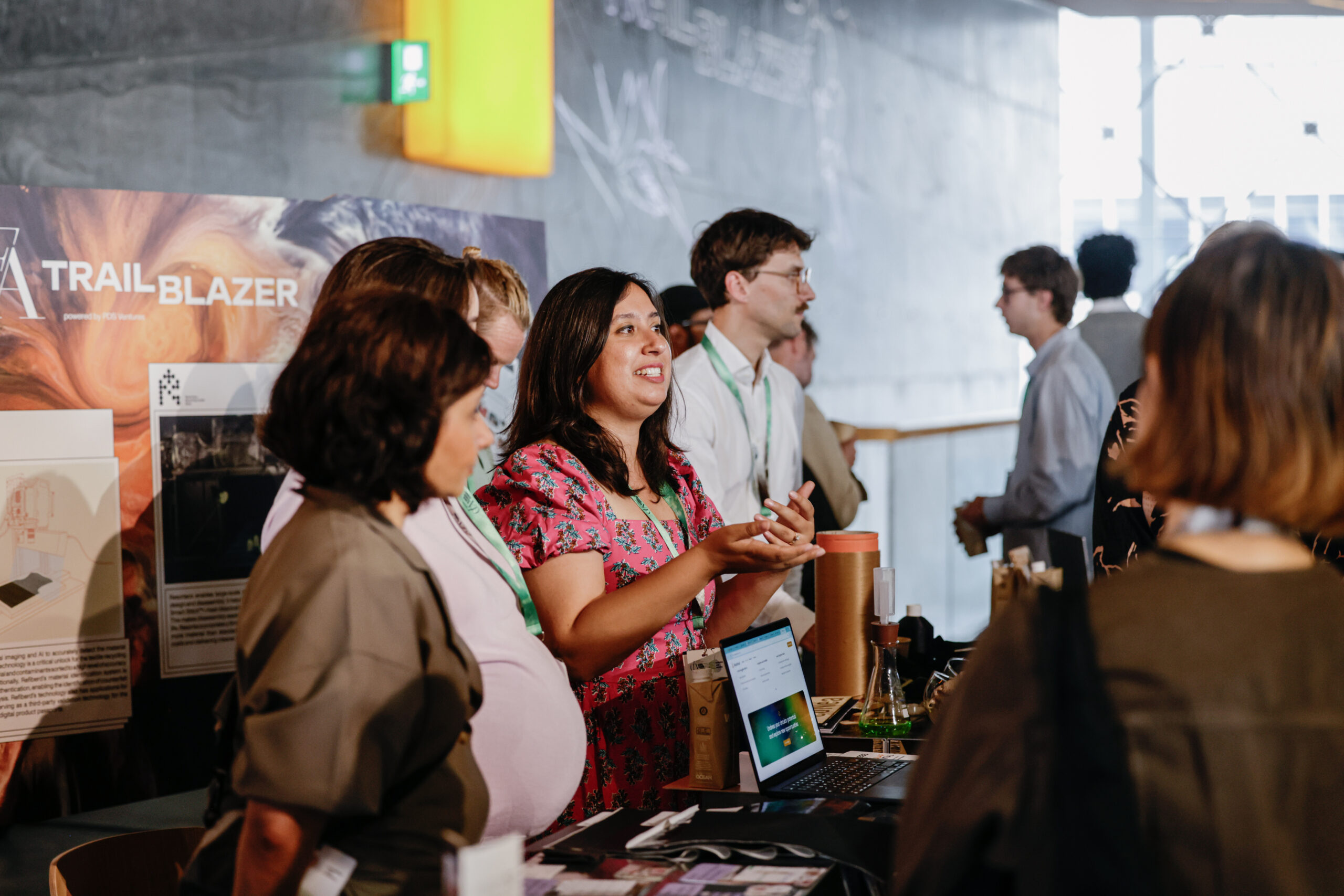
The Trailblazer Programme was designed to do more than recognise promising innovations, it aims to accelerate them.

Artificial intelligence is reshaping fashion. Algorithms now predict trends, design collections, and can even determine what ends up in stores. Chatbots advise consumers, while data models optimise global supply chains.