The Path from Innovation to Implementation: Trailblazer Insights

The Trailblazer Programme was designed to do more than recognise promising innovations, it aims to accelerate them. Now in its third year, the programme combines financial investment from PDS Ventures, as well as mentorship, resources, and guidance from the PDS Ventures ecosystem of brands and supply chain partners, with Global Fashion Agenda’s strategic support, industry validation and ecosystem access for innovators tackling pressing sustainability challenges in fashion.
As Global Fashion Agenda and PDS Ventures prepare to launch the 2026 Trailblazer Programme, the first two Trailblazer winners – EVERBLOOM (2024) and Refiberd (2025) – share how the programme has supported their growth and what lessons emerging innovators can draw from their experience.
EVERBLOOM won the inaugural Trailblazer Programme in May 2024 for its breakthrough bio-manufacturing technology. The company uses protein engineering and molecular biology to transform fibrous protein waste into high-performance textile fibres through a closed-loop process. The innovation addresses the fashion industry’s reliance on fossil fuel-based synthetics.
The company secured a pilot production partnership with a luxury brand for the exclusive launch of its fibre – a decisive validation that the material meets the performance standards required for high-end applications. EVERBLOOM has also expanded its R&D platform to create various qualities of protein fibres, broadening potential applications across knitwear, woven textiles, and elevated basics.
Beyond the Trailblazer investment, EVERBLOOM raised $8 million in additional funding and established partnerships with leading mills to strengthen its manufacturing ecosystem. The company is now focused on advancing its pilot with mill and brand partners and preparing for the first market launch of its fibre.
“Winning the Trailblazer Award has brought a meaningful boost to our work,” says Simardev Gulati, CEO and Co-Founder of EVERBLOOM. “It’s opened up conversations with new partners, especially brands and innovators who are looking for fresh thinking around materials and sustainability. The recognition has also helped shine a light on the progress we’re making in next-generation fibres, which has led to new opportunities to collaborate and accelerate projects that might have otherwise taken much longer to gain traction.”
Refiberd won the 2025 Trailblazer Programme for its pioneering technology that combines hyperspectral imaging with artificial intelligence to accurately identify textile material composition. The technology addresses critical needs across textile recycling, resale authentication, and supply chain traceability.
Since winning in May 2025, Refiberd has experienced strategic shifts in both funding and customer engagement. The company secured additional funding from textile-focused investors and broadened its customer base to reflect growing industry needs.
“Winning the Trailblazer award has helped Refiberd broaden its customer opportunities across the industry,” explains Sarika Bajaj, Co-Founder and CEO of Refiberd. “While we had previously focused on end-of-life partners such as textile-to-textile recyclers and waste sorters, we are now seeing steady engagement from earlier points in the supply chain, especially with product compliance and testing organisations. This shift is creating a clearer path toward building high-quality, trusted material data from the earliest points of production.”
This expansion from end-of-life applications to compliance and testing reflects broader industry pressures, as regulatory requirements for supply chain transparency continue to tighten. Refiberd has also signed several new projects with customers spanning traceability, resale, and recycling applications.
Recognition from the Trailblazer jury – which this year includes representatives from PDS Ventures, Ralph Lauren, Zalando, Fashion for Good and MIT – created credibility that accelerated partner conversations for both companies. This validation helped Refiberd shift engagement from end-of-life applications to earlier supply chain stages, while reinforcing EVERBLOOM’s viability for luxury applications.
Beyond recognition, winners gain access to PDS Group’s supply chain network and Global Fashion Summit’s Innovation Forum, providing connections with decision-makers and potential collaborators. For EVERBLOOM and Refiberd, these connections arrived at inflection points in their growth: EVERBLOOM transitioning from proof of concept to pilot production, Refiberd expanding beyond its initial customer base.
“Stay curious and take the time to really understand the problems you’re trying to solve,” advises Gulati. “Surround yourself with people who think differently and understand the market – so much innovation happens at the crossroads between disciplines. Don’t be discouraged by setbacks or slow progress. Those moments are often where the real breakthroughs begin. Hold onto your vision, but stay open to adapting how you get there. That balance of conviction and flexibility is what ultimately turns ideas into meaningful change.”
Bajaj emphasizes similar principles: “Have a clear vision for the impact you want to create, while staying adaptable in how you get there. As markets evolve, the ability to adjust your technology and customer focus will help you stay aligned with real needs and maintain momentum.”
EVERBLOOM is preparing for its first market launch while expanding its fibre platform. Refiberd is scaling its technology across new customer segments as transparency requirements intensify. Both trajectories demonstrate how strategic support at pivotal growth stages can accelerate the path from innovation to implementation.
The 2026 Trailblazer Programme offers the same combination of investment, validation, and ecosystem access that helped these companies advance. For innovators building material solutions, data infrastructure, or manufacturing technologies that fashion’s transformation requires, the programme provides pathways that traditional funding mechanisms often cannot.
Applications close 5 December 2025. The next generation of solutions is already emerging – the question is which innovators will have the support to scale them.
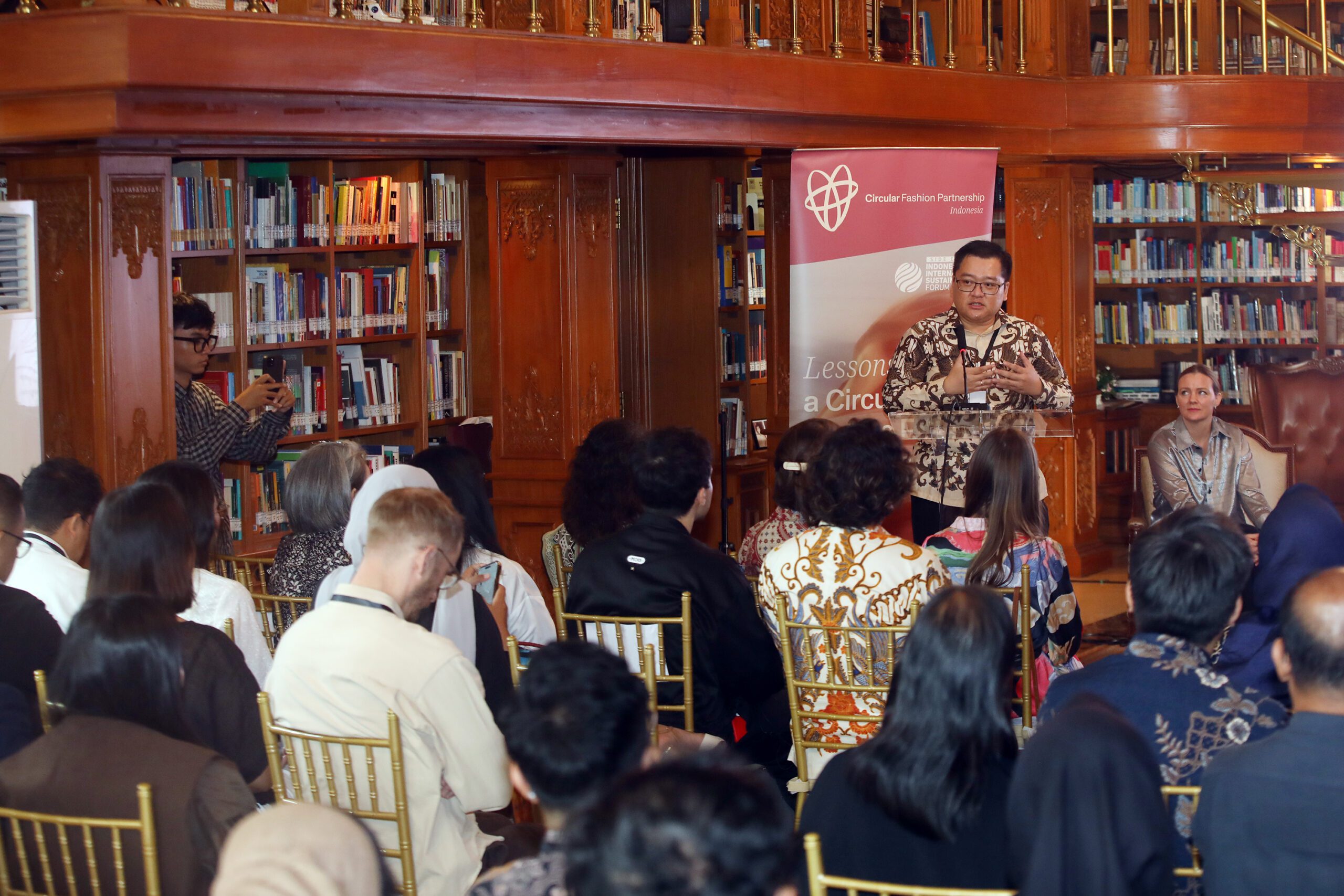
After two years of implementation across Indonesia’s textile and fashion value chain, the Circular Fashion Partnership (CFP) Indonesia brought together stakeholders to reflect on the next phase of circular textiles in Indonesia.

As we closely monitor fashion’s global legislative evolution, we zoom into GFA’s Policy Matrix: the new Asia Edition, Americas and EU editions, offering clarity and updates on emerging and existing legislation.

With over 100,000 attendees and 1,000 events taking place across New York City, Climate Week NYC 2026 convened industry leaders, policymakers, decision-makers, and civil society representatives from across the globe to accelerate climate action.