How Fashion Can Accelerate Change Through Transparency

In a year defined by growing scrutiny of climate commitments and the urgency to decarbonise, transparency has emerged as one of fashion’s most powerful accelerators for change. Last month, H&M Group, a Strategic Partner of Global Fashion Agenda, was ranked first among 200 global fashion brands in Fashion Revolution’s What Fuels Fashion? 2025 report, which assesses the public disclosure of climate and energy-related actions across the industry. Scoring 71% across five categories — accountability, decarbonisation, energy procurement, financing decarbonisation, and transparency and advocacy — the company’s performance reflects a broader momentum toward openness in how fashion communicates progress.
“This ranking shows we are moving in the right direction, but it also reminds us that action must go further and faster. No brand can tackle this challenge alone. By working together and sharing more openly, we can lift the entire industry and drive meaningful change,” comments Leyla Ertur Genç, Chief Sustainability Officer, H&M Group.
As the report demonstrates, transparency has become more than a compliance measure. It is a foundation for trust and accountability, and a reflection of the courage it takes for companies to share their progress and challenges openly. Yet, as sustainability reporting becomes more regulated, many brands are disclosing less voluntarily. True transparency now lies in showing proof of progress and how words translate into measurable change.
H&M Group’s latest Sustainability Progress Report 2024 outlines substantial verified progress across climate, circularity, and human rights. The company achieved a 41% reduction in absolute scope 1 and 2 emissions and a 24% reduction in scope 3 emissions (excluding use-phase emissions) compared to its 2019 baseline, with 96% renewable electricity in operations and ongoing efforts to phase out coal in its supply chain by 2026. It also reported a 9.5% absolute reduction in freshwater consumption in its key garment supplier tiers (tiers 1 and 2) from a 2022 baseline, and 89% of materials are now sourced as recycled or sustainably produced. These actions illustrate a move beyond disclosure toward proof of progress.
This shift is also reflected in how rankings themselves are evolving. Where once they primarily rewarded disclosure, the industry’s most credible benchmarks now measure how brands are implementing change. The Textile Exchange Material Change Index (MCI), for example, tracks progress in the use of preferred materials, circularity, and responsible sourcing across 16 material categories. In its latest edition, H&M Group achieved a Leading performance band, signalling measurable integration of circular and low-impact materials across its portfolio.
As the metrics mature, so too does the conversation. Transparency is no longer about how much information is shared, but about the integrity of that information and the ability to demonstrate progress over time. It asks whether the data shows tangible results, such as fewer emissions, safer workplaces, and fairer partnerships, and whether progress can be verified and sustained. This mindset aligns with the Fashion CEO Agenda 2025, Global Fashion Agenda’s leadership framework calling on companies to embed accountability within all levels of decision-making. The Agenda highlights Resource Stewardship and Respectful and Secure Work Environments as two essential priorities where transparency drives meaningful change. Resource
Stewardship urges companies to align operations with planetary boundaries through cleaner energy and responsible material use, while Respectful and Secure Work Environments emphasise that progress on decarbonisation must advance alongside fair and safe working conditions.
Courage can push transparency beyond necessary reporting toward genuine collaboration and measurable impact. When companies disclose their challenges as openly as their successes, they enable others to learn, adapt, and act faster. For fashion to thrive in a decade defined by regulation, resource constraints, and rising expectations, transparency must continue to bridge ambition and delivery. The industry’s next phase will be defined not by who shares the most, but by who demonstrates the most progress. The future of fashion will belong to those willing to prove it.

As key levers of the circular economy and catalysts of much-needed system change in the fashion industry, it’s easy to assume an element of built-in future-proofing for solutions such as repair, recycling, and resale.
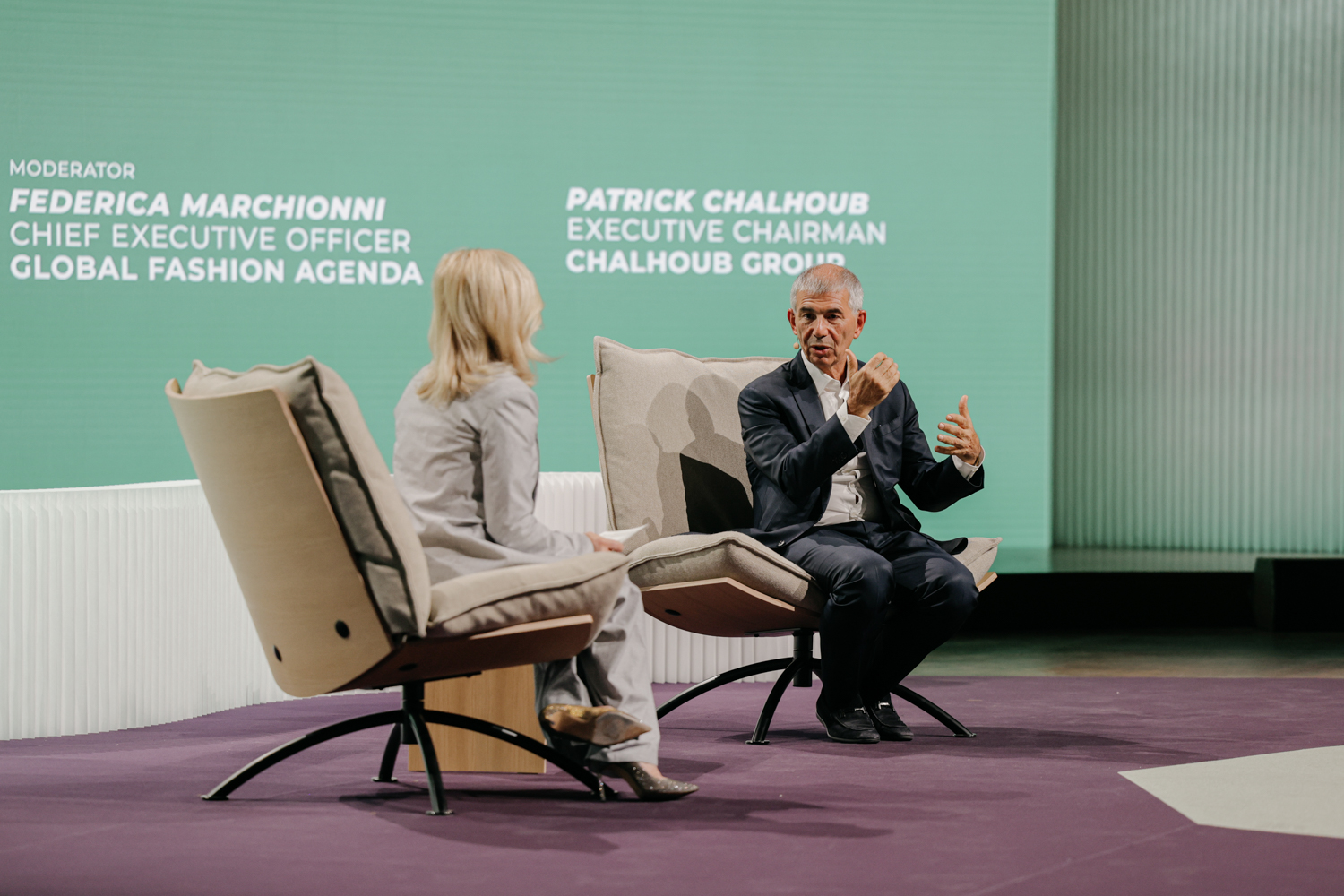
Global Fashion Agenda (GFA) and Chalhoub Group are collaborating to accelerate impact across the fashion value chain.

Fashion companies have spent years improving what happens within their own operations.