LOOKING FOR innovations
GFA and PDS Ventures are now inviting applications from innovators developing pioneering solutions across the fashion supply chain. Applicants should address one or more of the programme’s core innovation pillars:

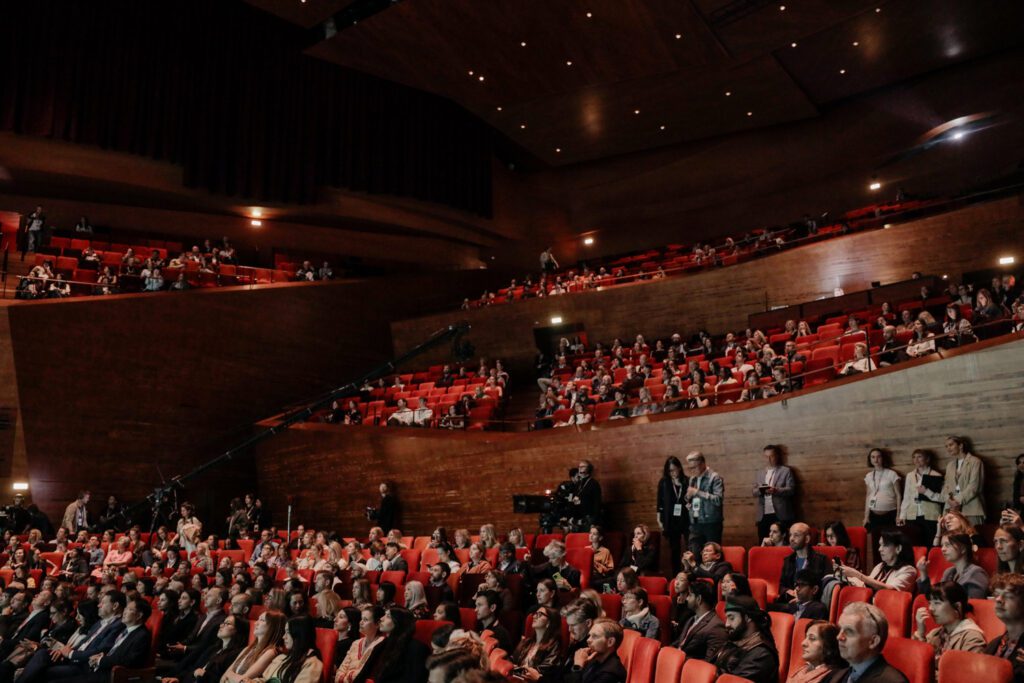
Working With Nature
Nature-driven solutions across the entire fashion supply chain.
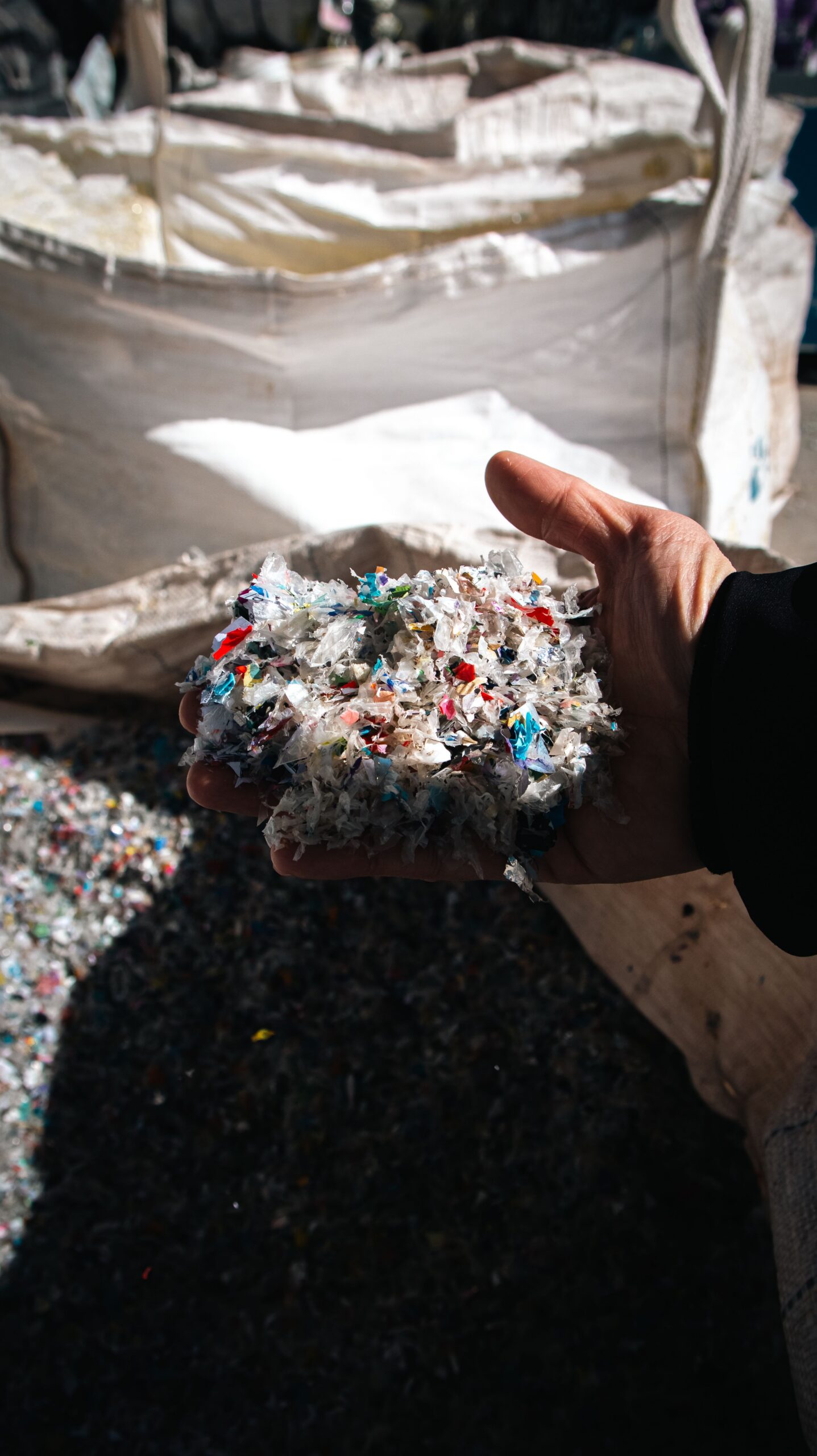
Closed-Loop Pathways
Innovations that foster a circular economy, minimise reliance on finite resources and ensure waste is reduced, reused, and recycled.
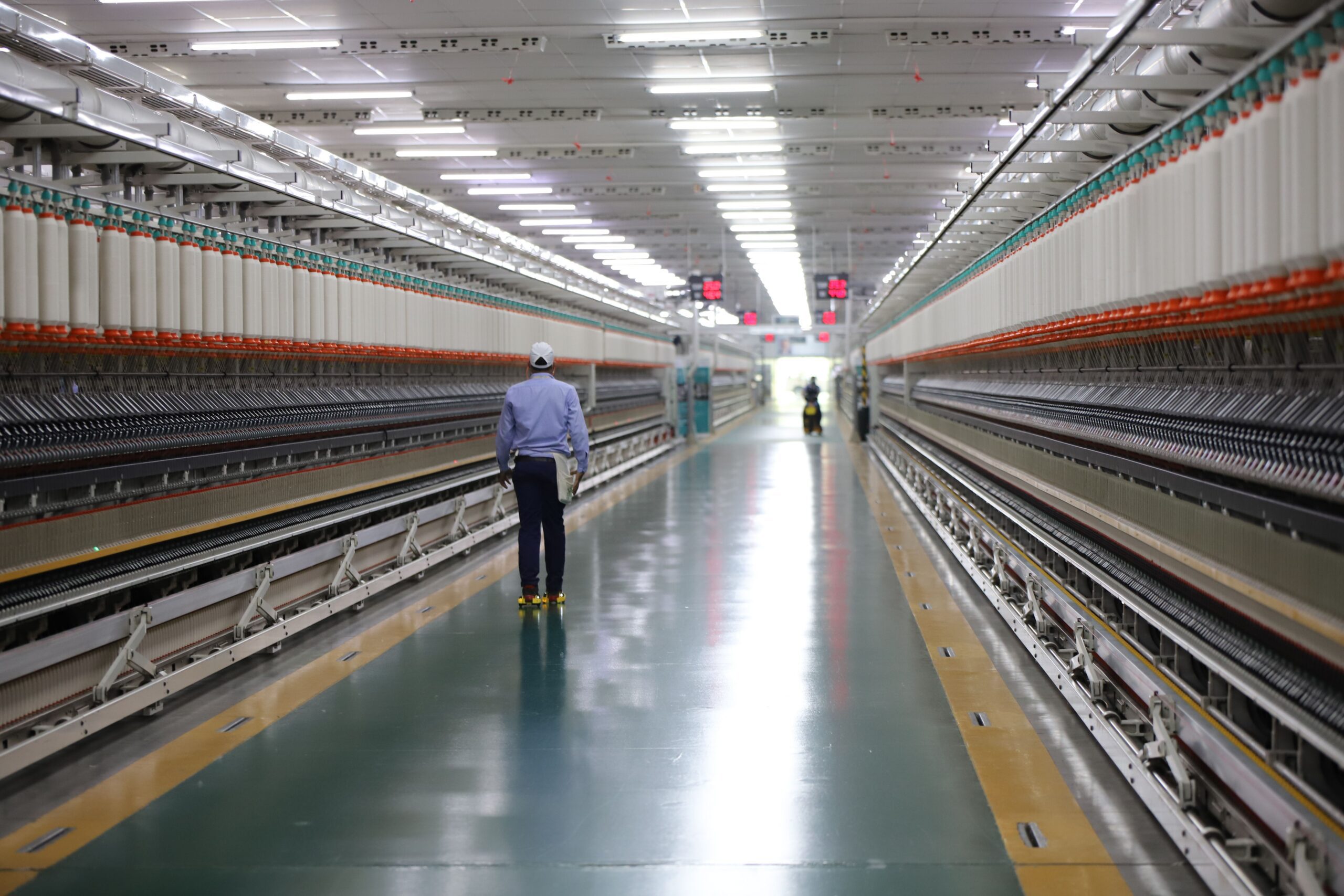
Tech-Powered Transformation
Technological innovations that enhance visibility, efficiency, and accountability in the fashion supply chain, reducing environmental impact and optimising resources.
in collaboration with
- PDS Ventures will invest between USD 50,000 – USD 200,000 in the winning company, specific amount to invest is contingent upon the winning company’s stage and status. The ultimate decision regarding the investment amount will be determined according to PDS Ventures’ internal procedures.
- PDS Ventures shall endeavour to complete the investment within three (3) months of the Trailblazer award announcement, with the award recipient agreeing to the valuation terms and timelines below.
- PDS Ventures shall invest in the winning company at same valuation or as per latter’s last funding round completed in last 12 months or at 20% discount to their next round. In case no round has taken place in last 12 months or there is no new round expected in next 12 months, valuation would be at mutually agreeable terms between both parties.

PDS Limited

PDS Ventures
Before applying, please thoroughly review all questions below in the ‘FAQ’ section, as they delineate pertinent information regarding your involvement in the programme. Upon submission of your application, you acknowledge and accept the requirements associated with participation in the programme.
Deadline for Applications is December 8th, 2026.
JURY members
Applications will be carefully reviewed and shortlisted by an esteemed jury of leading experts and representatives from across the fashion industry. The 2027 Jury members will be revealed soon.
previous WINNERS
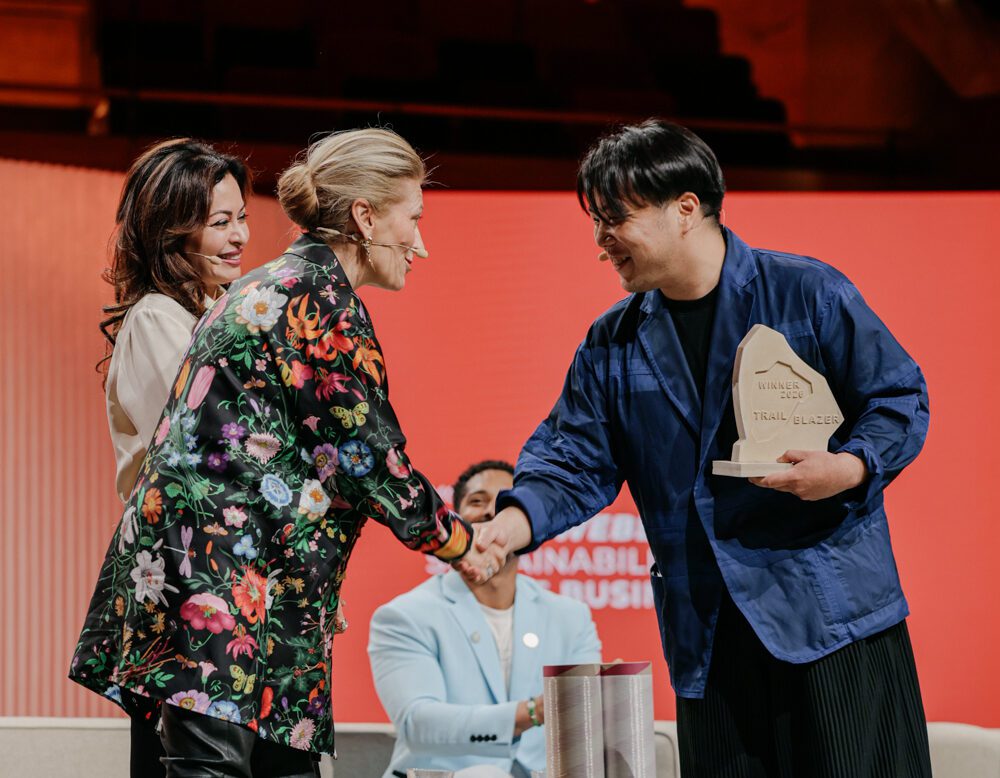
Synflux, 2026
Synflux was recognised in the Tech Powered Transformation category for its pioneering solution addressing critical challenges across the fashion supply chain.

Refiberd, 2025
Refiberd uses hyperspectral imaging and AI to accurately identify the material composition of textiles, unlocking critical advancements in textile recycling, resale authentication, and traceability.
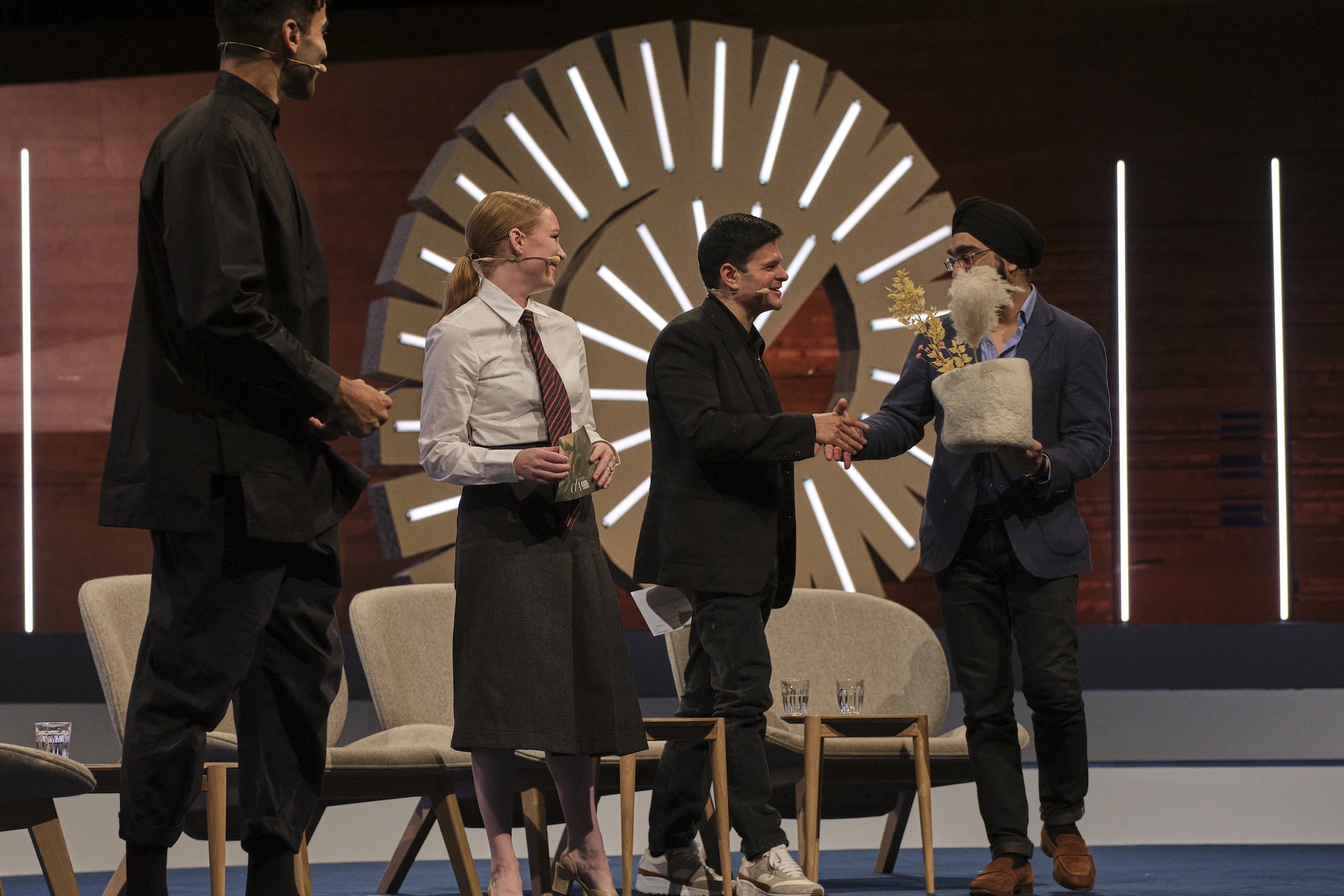
EVERBLOOM, 2024
EVERBLOOM aims to accelerate the transition towards a circular economy by tapping into the billions of tons of fibrous protein waste produced annually to create bioplastics and textile fibres at scale.
COHORT 2024 – 2026
The finalists from the previous editions of the Trailblazer programme.

Demeter Bio
Demeter Bio
Demeter Bio is a London-based start-up developing next-generation, PFAS-free solutions for textile finishing. Its flagship product, AguaShield, is a high-performance water- and oil-repellent coating derived from valorised waste biomass, designed as an alternative to conventional fluorinated chemistries. Inspired by nature and guided by fundamental chemical engineering principles, the technology delivers functional performance while aiming to reduce associated environmental and health impacts. Demeter Bio’s approach supports textile manufacturers in responding to tightening global regulations on PFAS without compromising durability or manufacturability. By combining bio-based materials innovation with scalable processing methods, the company aims to accelerate the transition to safer, more circular, and regulation-ready textile treatments across fashion, technical textiles, and adjacent sectors.

Tintte
Tintte
Tintte is a biotech company developing bio-based colourants through engineered biological processes. Its solution addresses one of the most energy- and chemical-intensive stages of the fashion value chain by replacing petrochemical dyes used in textile manufacturing. Designed to enable lower-impact colouration with reduced energy consumption, chemical inputs, and pollution, Tintte produces pigments through scalable biological fermentation methods. This supports manufacturers in reducing reliance on toxic auxiliaries and heavy metals commonly used in dyeing, while lowering process intensity through lower-temperature applications. By offering a drop-in alternative compatible with existing industrial equipment, Tintte reduces adoption barriers and enables scalable implementation across textile supply chains. Combining microbiology, process engineering, and data-driven optimization, Tintte delivers industrially viable colour solutions aligned with evolving regulatory requirements and the transition toward more responsible production.

Fibe
Fibe
Fibe is a London-based material science company developing textile fibres from agricultural residue. The company has developed patented technology capable of extracting fibres from abundant residues in just hours, without the use of harsh chemicals, while supporting the farming industry. Fibe’s solution uses significantly less water and land compared to conventional fibre production and has the potential to reduce associated carbon emissions, while aiming to expand the global supply of natural fibres at cost parity with existing fibres.

MacroCycle
MacroCycle
MacroCycle is an MIT start-up that unlocks low-cost, high-value polyester recycling from mixed textile waste. Its SolvoGenesisTM process is differentiated by avoiding the expensive breakdown processes while using non-toxic chemistry, resulting in up to 80% more energy-efficiency than traditional polyester resin production through the intermediates of macrocyclic molecules. MacroCycle’s recycled polyester resin is designed as a drop-in solution to brands looking to replace fossil-based polyester without requiring a green premium at scale. The company is scaling production capacity through contract manufacturing and is working with several leading fashion brands to test Macro-Polyester in their applications.

FIBERLY
FIBERLY
FIBERLY is developing alternatives to conventional cotton by turning cellulose sources, including textile-to-textile recycled pulp, into next-generation fibres that look, feel, and perform like premium cotton. Its patent-pending physical modules control fibre morphology and inner architecture, while advanced light treatments fine-tune surface texture and optical properties, delivering a cotton-like, lower-impact alternative intended for industrial scalability. Headquartered in France, with R&D labs at the Nanotechnology Foundation in Buenos Aires, Argentina, FIBERLY has been recognised by the Biomimicry Institute as one of its top ten nature-inspired start-ups.

Tira Fibers
Tira Fibers
Tira Fibers is developing bio-elastomer fibres designed to address the long-standing trade-off between elastane performance and sustainability in the fashion industry. The company is creating next-generation fibres intended to support improved circularity. Its flagship product, Bio-Stretch™, is a bio-based, high-performance alternative to traditional elastane that is designed to match stretch and recovery performance, and is produced without harmful solvents or costly new equipment. Engineered to be a compatible solution for existing synthesis, spinning and knitting infrastructure, Bio-Stretch™ can be separated from other materials at end-of-life using a non-toxic, bio-based solvent, with the aim of supporting textile-to-textile recycling. Leveraging existing synthesis and extrusion capabilities within the global apparel supply chain, Tira works through a capital-efficient, partner-led model from polymer to yarn and fabric, collaborating with leading mills and brands globally.

Nūl
Nūl
Nūl is a technology company operating at the intersection of AI and sustainability, helping fashion and retail brands make better inventory decisions. Its platform uses agentic AI to automate and continuously improve demand forecasting, stock allocation and replenishment planning. By replacing manual spreadsheets with intelligent, self-learning systems, Nūl is designed to help teams reduce overproduction, prevent stockouts, and improve profitability. The agentic approach allows the technology to act, adapt, and optimise in real time, contributing to a more responsive operating model intended to reduce waste while aligning commercial performance with long-term sustainability outcomes.

Synflux
Synflux
Synflux is a speculative design laboratory advancing “Fashion for the Planet” through Algorithmic Couture. This proprietary system integrates machine learning and 3D simulation and is designed to significantly reduce waste. By optimising patterns digitally, the technology is reported to reduce fabric waste by up to 50–66% and total material use by 10–15% per style. It delivers factory-ready data that preserves design integrity and is intended to help lower carbon impact without increasing production complexity. Through cross-industry collaboration, Synflux aims to support the fashion sector’s transition towards more circular design practices. This approach is increasingly applied to Original Equipment Manufacturer (OEM) solutions, seeking to enable scalable impact across diverse manufacturing processes. Having collaborated with brands such as THE NORTH FACE, ISSEY MIYAKE, and doublet, Synflux has received recognition including the H&M Global Change Award and the Kering Generation Award Japan. By bridging high-tech design with industrial manufacturing, Synflux seeks to contribute to the evolution of more sustainable design systems.

Frontier
Frontier
Frontier is a technology company focused on strengthening collaboration and data connectivity across the fashion value chain. The company expands access to digital workflows by combining everyday tools with AI and agentic solutions that turn physical textiles into intelligent data at scale. Through an integrated digital infrastructure Frontier has generated one of the largest digital fabric databases alongside tools for innovative material sourcing and agile business models that aims to co-create a more resilient and future ready fashion industry.

Musthad
Musthad
A significant proportion of textile materials become waste before even being sold. Managing this excess inventory is inefficient, time-consuming, and costly due to complex products, linear processes, and fragmented data—making it difficult to scale circularity. Musthad guides fashion brands toward a zero-landfill future through a data-driven platform that helps them turn textile waste and excess inventory into value. The Musthad platform enables brands to: Digitise, centralise, and process all waste data in one single platform; Instantly identify and activate the best reuse or recycling solutions; Monitor waste flows to ensure compliance; and track key savings (CO₂, €, kg). Musthad already supports leading brands in scaling circularity, generating an average potential saving of €1,350 per ton of waste.

eComID
eComID
eComID is a proactive, AI-powered Returns Reduction Platform tailored for retail fashion brands. Unlike traditional post-purchase return tools, eComID integrates seamlessly into the pre-purchase journey, helping brands reduce return rates, carbon emissions, and boost net revenue. The platform offers two key components: (1) on-site integrations such as AI-powered Size Finder, Green Nudging, Personalised Return Fees, and Bracketing Alerts to guide and incentivise shoppers toward mindful purchasing; and (2) a powerful analytics Portal for return insights. Backed by H&M Group, eComID currently partners with leading fashion brands like & Other Stories, J.Lindeberg, Björn Borg, and Gina Tricot, delivering measurable impact by shaping better shopping decisions before checkout. eComID was named one of Fast Company’s Most Innovative Companies of 2025.

Manny AI
Manny AI
Manny is AI for Demand-Centric Supply Chains, helping fashion brands and manufacturers shift from bulk production to responsive, on-demand manufacturing. Manny’s platform connects brands, factories, and fabric mills in real time — allocating orders based on live fabric availability, machinist capacity, and supplier capability. It generates production-ready tech packs, guides buyers on price–delivery tradeoffs, and manages AI-driven critical paths across multiple tiers.

Tern
Tern
Tern enables retailers to build brand-owned, in-house circular programs that meet their customers’ changing needs and deliver against their business objectives. Tern’s easy-to-use, white-label, plug-and-play software seamlessly integrates into a retailer’s existing business, enabling them to own and operate trade-in, resale, repairs, upcycling, recycling, and donation programs – both in-store and online. Tern’s strengths are in the flexibility of its solution and unequivocal focus on delivering a service that enables retailers to own the entire customer journey; giving them complete control and flexibility over how they run their programs – and direct ownership of their second-hand market and customer.

Resortecs
Resortecs
Resortecs enables large-scale textile-to-textile recycling by simplifying eco-design and disassembly. It helps brands design for circularity from day one with Smart Stitch™—heat-dissolvable threads—and tailored eco-design guidelines. This makes disassembly easier and ensures traceability of materials. At end-of-life, Resortecs proprietary Smart Disassembly™ system recovers up to two times more material than standard pre-treatment methods, significantly reducing costs and delivering clean, consistent feedstock to recyclers. By focusing on high-value easy-to-collect product categories like workwear, mattresses, and sportswear, and establishing local disassembly hubs, Resortecs helps to eliminate unnecessary waste logistics and bring scalable circularity to life.

Refiberd
Refiberd
Refiberd uses hyperspectral imaging and AI to accurately detect the material composition of textiles. Its technology is a critical unlock for the textile recycling industry, which needs material and contaminants sorted to a high level of accuracy for efficient recycling. Additionally, Refiberd’s material identification system is transformative for resale authentication, enabling the identification of counterfeit products via material analysis. Refiberd’s technology also has applications for the traceability industry, serving as a third-party validation technology of the material data entered into digital product passports. By working across the textile value chain, Refiberd is looking to enable circularity and transparency for materials used in the industry.

OceanSafe AG
OceanSafe AG
OceanSafe AG is a Swiss polymer science company pioneering sustainable material innovation for the textile industry. OceanSafe develops and licenses high-performance, circular materials engineered to leave no waste behind. The company gained recognition in 2023 with the launch of naNea—the next-gen biodegradable polyester now successfully in use across the textile industry. OceanSafe continues to set new standards in scalable, more sustainable materials. Through the Trailblazer Programme, OceanSafe will introduce its latest material innovation: coNea. This patented, 100% bio-based biopolymer combines the natural feel of plant-based fibres with the processing advantages of synthetics via extrusion. Sourced from renewable feedstocks, including lignin from wood residues, coNea is biodegradable, non-toxic, and industrially scalable, offering a true drop-in solution for more sustainable textile manufacturing.

FIBRE52™
FIBRE52™
FIBRE52™ is a patented wax-on, low temperature bleach and dye system that replaces outdated preparation methods for cotton and other cellulosics. This unique drop-in solution works with existing machinery, using bio-friendly products instead of harsh chemicals, such as caustic soda. These chemistries allow for quicker process times and significant reductions in water and energy usage, while also maintaining the cotton’s natural strength and softness. The FIBRE52™ bleach, scour, and dye system helps manufacturers reach all shades, including white.

Matereal
Matereal
Matereal leverages breakthrough chemistry and AI to help detoxify and decarbonise the plastic supply chain. Matereal presents Polaris™, a decarbonised, non-isocyanate polyurethane alternative. Polaris™ polymers are significantly less toxic than conventional polyurethane and up to 100% biobased. The first Polaris™ product line takes the form of thermoplastic chips for textile and footwear applications. The Matereal team has deep expertise applying these chips as coatings, films, laminations, and via injection moulding. Matereal also partners with leading companies seeking to create custom Polaris™ formulations via the Matereal™ AI Platform. This platform combines Matereal’s novel chemistry and AI to customise Polaris™ solutions to fit supply chain and impact needs.

The Hurd Co.
The Hurd Co.
The Hurd Co makes it possible to make clothing from agricultural waste with agrilose®: a 100% agriwaste-based feedstock pulp that the apparel industry uses to make fabrics like viscose/rayon and lyocell, which are normally made from trees. In addition to being tree-free, The Hurd Co’s patented technology is a zero emission process that uses 50% less water and 90% less energy than conventional pulping processes. Agrilose is a one-to-one replacement for tree pulp and will be available at a cost-competitive price, making it an easy substitute for manufacturers and an easy choice for brands.

Syntetica
Syntetica
Syntetica has developed a breakthrough chemical process to recycle nylon rich textiles to produce decarbonised circular materials for the textile industry. Founded by Marco Bertone, ex-head of growth of the fashion marketplace The Bradery & Selency, and Louis Monsigny, one of Europe’s leading chemical experts with a PhD in molecular catalysis and a decade of research in plastic depolymerisation. Syntetica is finalising commercial contracts with industry leading fashion brands as it seeks to reach a pre-industrial stage over the next 18 months.

Sparxell
Sparxell
Sparxell creates the next generation of colours and effects. They are doing so by pioneering the world’s first plant-based performant colourants inspired by nature.
Their technology platform empowers brands to meet evolving regulations and consumer trends towards sustainable colourants. The innovative products deliver colour vibrancy and effects usually obtained from metals, minerals and dyes often combined with plastics.
They transform industries like cosmetics, fashion, packaging, and more, combining biodegradability, non-toxicity and low carbon footprint with the best optical performance.

silana
silana
silana built the first sewing robot globally & the solution to fashion’s overproduction problem. Clothing made in Europe at lower prices than China.
With silana they are on a mission to nearshore the production of 1 bn. clothing pieces annually. With the backing of established textile investors, first paying customers and a strong pipeline for our US market entry, silana will establish itself as the leading FashionTech player, reducing CO2 emissions / T-shirt of > 38%.
Their sewing robots can produce simple T-shirts, in different styles and sizes – fabric independent – without overproduction or precarious working conditions.

PACT
PACT
PACT is on a mission to create the most beautiful, high-performing, and climate-responsible material at scale for fashion and beyond. We collaborate with innovative fashion brands and pioneers to accelerate the systemic change desired within the industry. Inspired by generations of leather artisans and master craftspeople, we are beginning with an advanced material: Oval. Oval is a supple material made from collagen sourced from industrial by-products. It’s a highly scalable material that offers designers unparalleled flexibility whilst minimising environmental impacts across the entire production process.

DyeRecycle
DyeRecycle
DyeRecycle is a colour and fibre innovation company with a mission to pioneer chemical circularity and fiber circularity within the textile industry. Our integrated solution tackles the complexities of recycling diverse textile waste, lacking sustainable technology for fibre decolorization and synthetic dye recycling. DyeRecycle decolorizes textile waste fibers and repurposes extracted dyes, creating recycled synthetic dyes. With a commitment to achieving net-zero environmental impact, we aim to significantly textile industry’s dependence on virgin materials — without sacrificing performance or creativity.

Bloom Labs
Bloom Labs
Bloom Labs is accelerating the transition towards a circular economy. Bloom can take up to 15 billion lbs of annually produced fibrous protein waste and convert them into fibers (rPoly, wool, cashmere, silk) and bioplastics using existing melt-spinning infrastructure. By utilizing pre-consumer fibrous waste streams, we combine the incredible aesthetic properties of natural fibers such as – handfeel, breathability and thermal regulation – with the functional and mechanical properties of a polyester. Bloom fibers are using 100% bio-based ingredients and have traceability certifications.

Biophilica
Biophilica
Treekind® by Biophilica is a unique leather alternative free of polyurethane and PVC. It is made with lignocellulose – specifically urban leaves, stems, and stalks from parks and gardens as well as similar inedible agricultural feedstocks. Treekind® is recyclable and only uses compostable inputs. The result is a material that has very low recourse footprint. Treekind® uses 0.1% of the water used in equivalent leather processing, with zero toxic chemicals in its formulation. Treekind® is a truly sustainable solution for brands and designerslooking for an alternative to both conventional leather and synthetic PU and PVC materials.
FAQs
Below, you’ll find answers to frequently asked questions about the Trailblazer Programme as well as the Terms & Conditions for applying. Upon submission of your application, you acknowledge and accept the requirements associated with participation in the programme. Before applying, please thoroughly review all questions, as they delineate pertinent information regarding your involvement in the programme.
Why should I apply for the programme?
The Trailblazer Programme offers valuable feedback, funding opportunities and industry recognition. The winner receives a monetary prize and recognition at the Global Fashion Summit. All shortlisted candidates will receive a ticket to exhibit their solutions at the Global Fashion Summit in Copenhagen in May.
By submitting your application, you commit to taking part in the Summit if you emerge as the winner.
How much investment will the winning company receive and what are the terms of investment?
What does the programme entail?
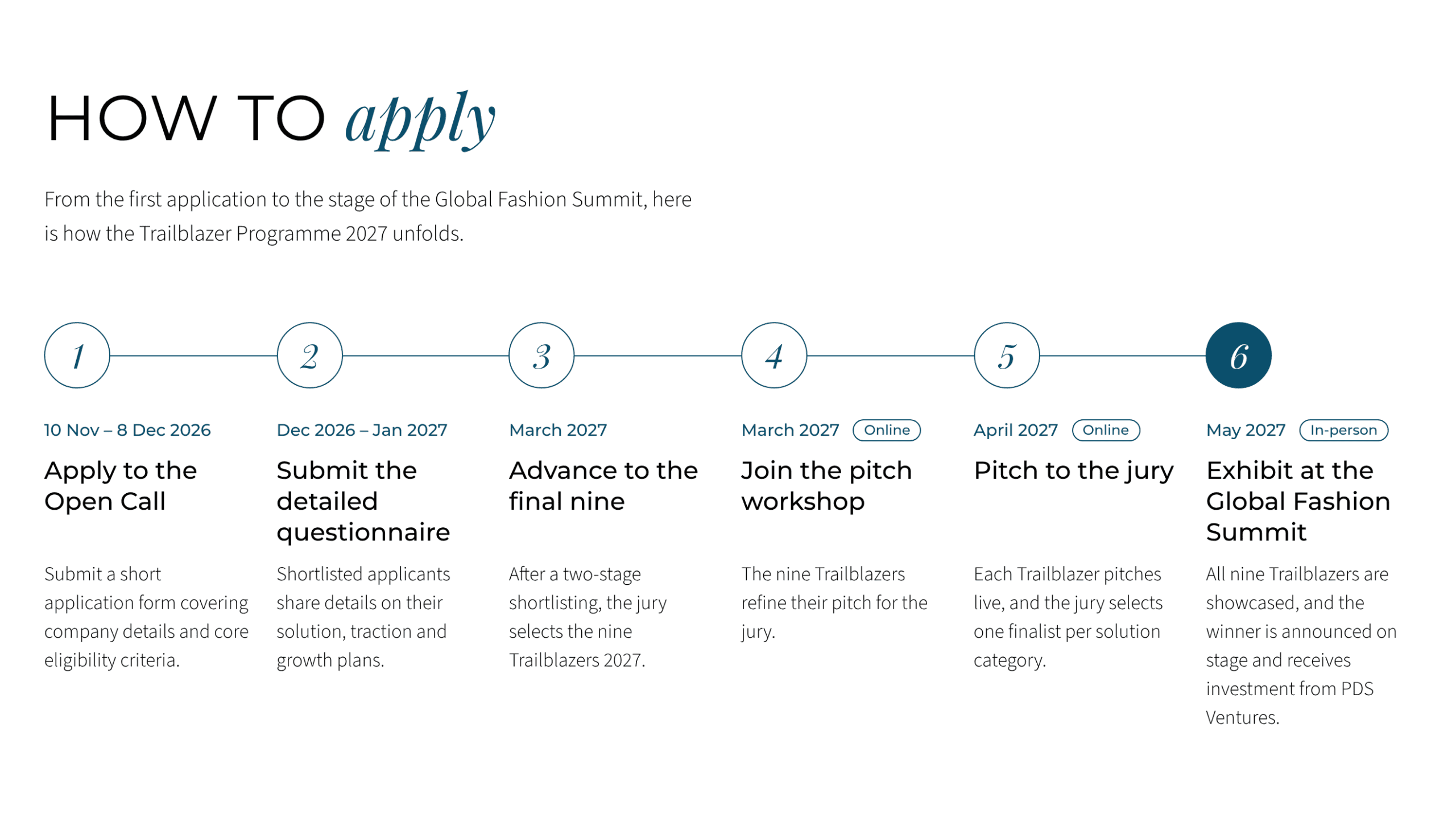
Apply: 10 November – 8 December 2026
Submit a short application form covering your company and the basic eligibility criteria.
Detailed questionnaire
Shortlisted applicants are invited to complete a more detailed questionnaire about their solution, traction and plans for growth.
Finalists selected
Our jury reviews the shortlisted solutions and selects nine finalists, the Trailblazers 2027.
Pitch Workshop: March 2027
The nine finalists join a workshop to prepare and refine their pitch.
Pitch to Jury: April 2027
Each finalist presents their innovation to the jury, who select the category finalists.
Global Fashion Summit: May 2027
All nine Trailblazers are showcased at the Global Fashion Summit, where the winner is announced on stage and receives investment from PDS Ventures.
How is the Trailblazer programme related to the Global Fashion Summit?
The winner of the Trailblazer Programme will receive recognition on stage at the Global Fashion Summit. Additionally, there will be a dedicated Trailblazer Programme exhibition stand at the Summit venue where the shortlisted innovators can showcase their innovative solutions to a wide audience.
Where is this programme taking place?
The Trailblazer Programme will be conducted entirely online. However, for shortlisted innovators who opt to showcase their solutions at the Global Fashion Summit, attendance in person at the Summit in Copenhagen on May 5-7 2026 , is required.
Global Fashion Agenda will not cover any expenses related to participating in the Summit for the shortlisted and winning innovation(s), except providing one free and one 10% discounted ticket to the Summit for each innovator.
What is expected from the winner?
We expect the winner to diligently execute their idea according to the proposed plan, maintaining a commitment to fostering a net positive impact. Progress reports on fund utilisation must be provided to GFA and PDS Ventures at the 6-month and 12-month intervals.
Who can apply?
The Trailblazer Programme is open to early-stage innovators whose solutions have moved beyond the idea phase, with at least a minimum viable product (MVP) in place. Applicants should be able to show early traction, such as user feedback or first customers, and be actively seeking funding and support to scale. The programme is designed for teams who would benefit from industry introductions, partnerships and mentoring. All solutions must address at least one of the programme’s three solution categories.
When is the application deadline?
The deadline for submissions is December 8th 2026.
.
How does the application process work?
The application is done directly by the innovators via an online form. The form is a simple way to get a first impression of your innovation. Should your innovation apply to the criteria, we will send you a detailed form to understand more about your solutions. Applicants selected for the first round will receive feedback by 15 December 2026 at the latest
I am already affiliated with GFA through the Innovation Forum – Can I still apply?
If you are already represented in the GFA Innovation Forum, you are still eligible to apply for the Trailblazer programme, provided you meet the criteria, as stated under “Who can apply?”. However, please note that only solutions in the seed stage/early stage will be considered for participation.
I am currently enrolled in another accelerator programme – Can I still apply?
If you are currently enrolled in another accelerator programme, you are still welcome to apply for the Trailblazer Programme. However, please ensure that you have sole ownership of all rights associated with your solution.
What does the selection process look like?
GFA, PDS Ventures, and an independent jury will shortlist promising candidates, who will then pitch their solutions in front of the jury board for the final review. The winner will be announced and recognised at Global Fashion Summit in Copenhagen.
When will I get feedback on my application?
Applicants selected for the first round will receive feedback by 15 December 2026 at the latest.