From Principles to Profit and Loss: The New Language of Fashion Sustainability
When Peder Michael Jorgensen, board Member at Global Fashion Agenda, opened the Financial Resilience Through Collective Action session at Global Fashion Summit: Copenhagen Edition 2026, he reflected on how dramatically the sustainability conversation has evolved.
“When I started out in sustainability consulting about 25 years ago, sustainability was couched in lots of words. The case for sustainability was made mostly on principles, values, and feelings.”
For decades, sustainability in fashion has largely been framed as a question of responsibility. Most conversations centred on value-based considerations such as environmental impact, social justice and long-term stewardship. And while those motivations remain as relevant as ever, a new dimension is increasingly shaping boardroom discussions: financial resilience.
Across the industry, sustainability is no longer being viewed solely as an environmental or social imperative. It is now becoming a business and financial matter. Climate volatility, resource constraints, shifting regulation, and changing market expectations are creating very tangible financial implications for fashion companies, which makes it increasingly difficult to separate sustainability from commercial performance. As Catharina Martinez-Pardo, Managing Director & Partner at Boston Consulting Group (BCG), noted during the discussion:
“The financial consequences of sustainability are really intensifying. Costs are rising, regulations are tightening. Raw material volatility is increasing. But at the very same time, executive attention is kind of slipping away.”
This tension sits at the core of the Fashion CFO Agenda 2026, developed by Global Fashion Agenda and Boston Consulting Group (BCG). The report makes the case that sustainability can no longer remain disconnected from business activities. Instead, it must be embedded into the financial decisions, investment strategies and risk management processes that shape how organisations operate.
The shift is not only being driven by ambition, but it is increasingly also being driven by material business realities. Climate-related disruptions have already contributed to significant volatility in the prices of key raw materials such as cotton and wool, and, at the same time, emerging policy measures continue to reshape cost structures across the industry. As sustainability-related risks become more financially material, the question is no longer whether finance leaders should engage, but how they should engage.
One of the clearest themes to emerge from the discussion was the importance of creating a common language across organisations. For many businesses, sustainability and finance have historically operated in parallel, each using different metrics, priorities and measures of success. Bridging that divide is becoming more and more important. This approach is also explored in the Fashion CEO Agenda 2026, where Kering is featured as a case study demonstrating how finance-led sustainability tools can support better decision-making. Through its Environmental Profit and Loss (EP&L) methodology, the company translates environmental impacts into monetary terms.
“We are talking a common language. We are using euro,” explained Laurence Barrère, Sustainable Finance Director at Kering. “We can really act on what we measure.”
By assigning financial value to impacts such as emissions, water use and waste, sustainability considerations become easier to integrate into everyday business decisions. Rather than existing as a separate reporting exercise, environmental impacts can be evaluated in the same case as other business priorities, enabling teams across design, sourcing and operations to better understand risks, trade-offs and opportunities. This reflects a broader evolution taking place across the fashion industry. Sustainability is increasingly moving from the margins of organisations into their core functions and influences decisions around investment, procurement, innovation and long-term strategy. As Ulrika Leverenz, Head of Green Investment at H&M Group, observed:
“The CFO more or less goes from being a scorekeeper of financial value to actually being an architect of long-term value.”
The Fashion CFO Agenda 2026 further reinforces this point. While finance leaders increasingly recognise that sustainability is strategically important, many organisations still continue to struggle with integrating sustainability into financial planning, capital allocation and performance management. The key challenge the industry faces is now execution, after an extended time of struggling with awareness. Yet integrating sustainability into financial decision-making is only part of the equation. Many of fashion’s most significant sustainability challenges extend far beyond the reach of any single company. And meaningful progress will require collective action across the value chain, from supply chain decarbonisation to infrastructure investment.
Reflecting on collaborative financing models to support supplier decarbonisation, Leverenz noted:
“If you want to go fast, go alone. If you want to go far, go together.”
This message encapsulated the broader sentiment that emerged from the discussion. Twenty-five years ago, the challenge was persuading businesses that sustainability mattered, and today that debate is largely settled. The challenge now lies in determining how sustainability ambitions are translated into investment decisions, risk assessments, and business strategies capable of building resilient futures. In addition to finance growing closer to sustainability, it is also increasingly becoming one of the ways sustainability is delivered.
Download the Fashion CFO Agenda 2026 here to explore the report’s insights and recommendations for finance leaders navigating the transition towards resilient, low-carbon business models.
Watch the full session, Financial Resilience Through Collective Action, from Global Fashion Summit: Copenhagen Edition 2026 here.
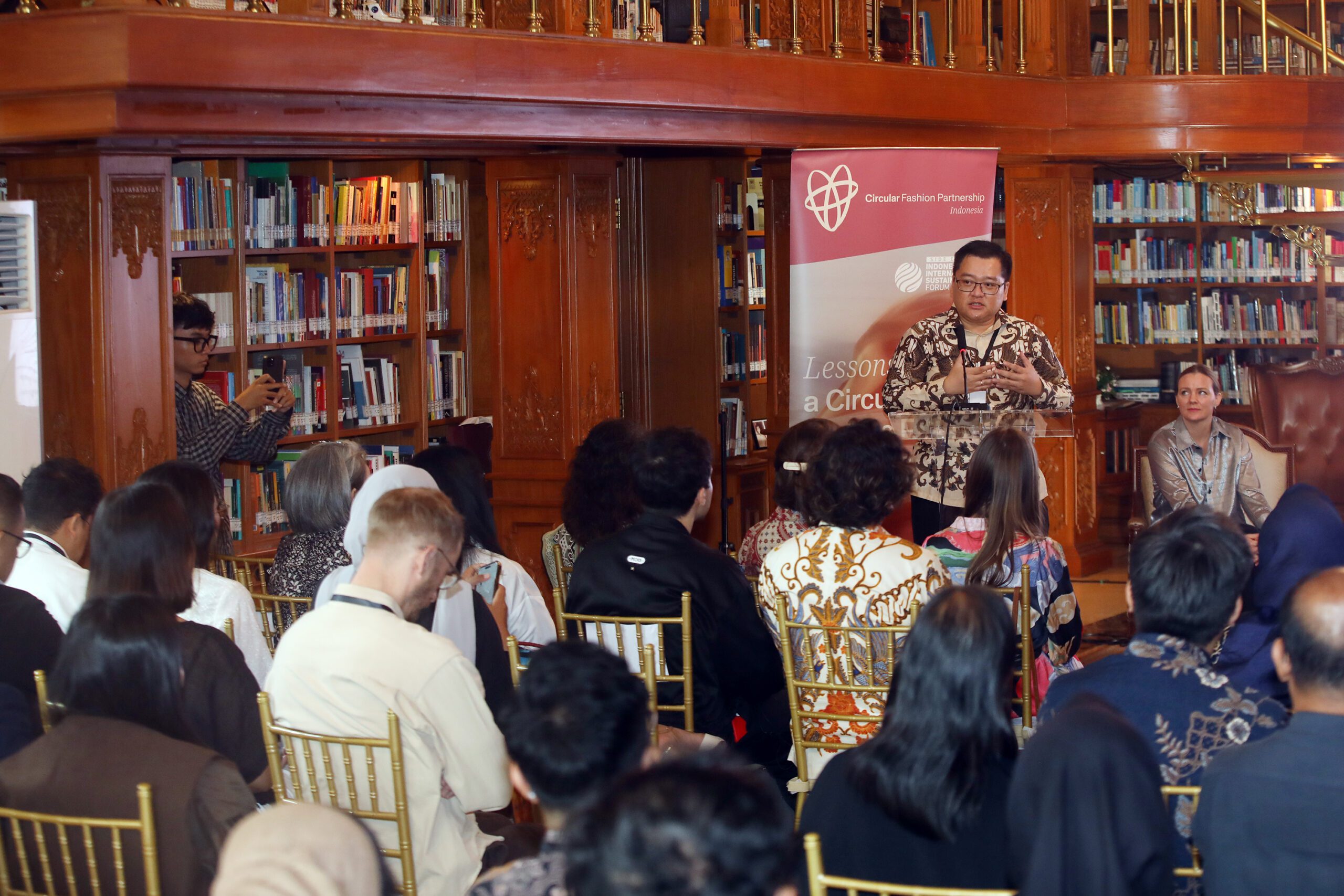
After two years of implementation across Indonesia’s textile and fashion value chain, the Circular Fashion Partnership (CFP) Indonesia brought together stakeholders to reflect on the next phase of circular textiles in Indonesia.

As we closely monitor fashion’s global legislative evolution, we zoom into GFA’s Policy Matrix: the new Asia Edition, Americas and EU editions, offering clarity and updates on emerging and existing legislation.
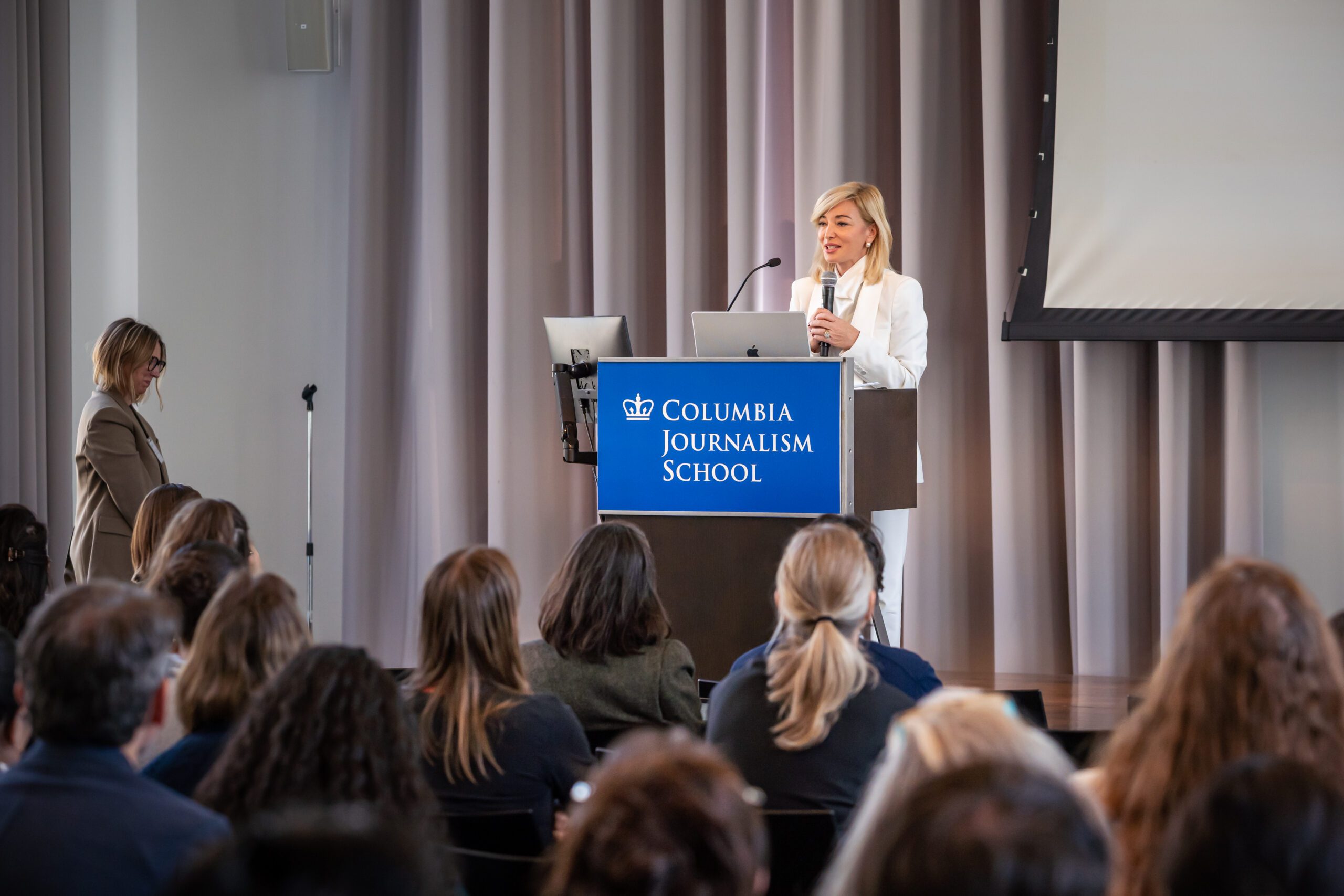
With over 100,000 attendees and 1,000 events taking place across New York City, Climate Week NYC 2026 convened industry leaders, policymakers, decision-makers, and civil society representatives from across the globe to accelerate climate action.