Introducing the Trailblazer Programme 2026 Shortlist: Nine Innovations Advancing Fashion’s Transition

Global Fashion Agenda (GFA) and PDS Ventures are pleased to reveal the nine shortlisted solutions selected for the Trailblazer Programme 2026. Developed through the continued collaboration between GFA and PDS Ventures, the programme combines industry convening power with supply chain and investment expertise to accelerate innovation in fashion. Chosen from a competitive pool of global applicants, these innovations reflect the growing momentum behind the solutions working to advance a more responsible fashion system.
Now in its third year, the Trailblazer programme builds on strong international engagement and continues to spotlight innovators developing planet-positive solutions. The 2026 finalists represent a diverse range of material, chemical, and technological innovations seeking to address some of the industry’s most pressing environmental and operational challenges.
The Trailblazer Programme 2026 is structured around three key pillars reflecting critical priorities for the fashion industry’s transition:
The nine finalists will now take part in a structured programme designed to strengthen commercial positioning and enhance investment readiness. Through tailored mentorship and strategic guidance, participants will refine their value propositions and prepare to present their solutions to industry leaders and potential investors. All nine finalists will showcase their innovations at Global Fashion Summit: Copenhagen Edition 2026 within the Innovation Forum, gaining exposure to brands, manufacturers, investors, and decision-makers from across the global fashion ecosystem. Through the combined ecosystems of GFA and PDS Ventures, finalists will also benefit from access to industry leaders, supply chain partners, investors and strategic collaborators.
The Trailblazer Programme 2026 is chaired by Marie-Claire Daveu, Chief Sustainability and Institutional Affairs Officer at Kering. As Chair of this year’s programme, Daveu will lead the jury process and, together with GFA and PDS Ventures,be responsible for selecting the overall winner following the finalists’ presentations at the Summit. The winner will be officially announced during Global Fashion Summit: Copenhagen Edition 2026.
As the industry continues to navigate complex regulatory, environmental, and economic pressures, the Trailblazer Programme aims to support entrepreneurs working to accelerate measurable progress. The 2026 cohort reflects a growing commitment to innovation that seeks not only to respond to today’s challenges, but to contribute to shaping a more resilient and responsible fashion system.
Demeter Bio is a London-based start-up developing next-generation, PFAS-free solutions for textile finishing. Its flagship product, AguaShield, is a high-performance water- and oil-repellent coating derived from valorised waste biomass, designed as an alternative to conventional fluorinated chemistries. Inspired by nature and guided by fundamental chemical engineering principles, the technology delivers functional performance while aiming to reduce associated environmental and health impacts. Demeter Bio’s approach supports textile manufacturers in responding to tightening global regulations on PFAS without compromising durability or manufacturability. By combining bio-based materials innovation with scalable processing methods, the company aims to accelerate the transition to safer, more circular, and regulation-ready textile treatments across fashion, technical textiles, and adjacent sectors.
Tintte is a biotech company developing bio-based colourants through engineered biological processes. Its solution addresses one of the most energy- and chemical-intensive stages of the fashion value chain by replacing petrochemical dyes used in textile manufacturing. Designed to enable lower-impact colouration with reduced energy consumption, chemical inputs, and pollution, Tintte produces pigments through scalable biological fermentation methods. This supports manufacturers in reducing reliance on toxic auxiliaries and heavy metals commonly used in dyeing, while lowering process intensity through lower-temperature applications. By offering a drop-in alternative compatible with existing industrial equipment, Tintte reduces adoption barriers and enables scalable implementation across textile supply chains. Combining microbiology, process engineering, and data-driven optimization, Tintte delivers industrially viable colour solutions aligned with evolving regulatory requirements and the transition toward more responsible production.
Fibe is a London-based material science company developing textile fibres from agricultural residue. The company has developed patented technology capable of extracting fibres from abundant residues in just hours, without the use of harsh chemicals, while supporting the farming industry. Fibe’s solution uses significantly less water and land compared to conventional fibre production and has the potential to reduce associated carbon emissions, while aiming to expand the global supply of natural fibres at cost parity with existing fibres.
MacroCycle is an MIT start-up that unlocks low-cost, high-value polyester recycling from mixed textile waste. Its SolvoGenesisTM process is differentiated by avoiding the expensive breakdown processes while using non-toxic chemistry, resulting in up to 80% more energy-efficiency than traditional polyester resin production through the intermediates of macrocyclic molecules. MacroCycle’s recycled polyester resin is designed as a drop-in solution to brands looking to replace fossil-based polyester without requiring a green premium at scale. The company is scaling production capacity through contract manufacturing and is working with several leading fashion brands to test Macro-Polyester in their applications.
FIBERLY is developing alternatives to conventional cotton by turning cellulose sources, including textile-to-textile recycled pulp, into next-generation fibres that look, feel, and perform like premium cotton. Its patent-pending physical modules control fibre morphology and inner architecture, while advanced light treatments fine-tune surface texture and optical properties, delivering a cotton-like, lower-impact alternative intended for industrial scalability. Headquartered in France, with R&D labs at the Nanotechnology Foundation in Buenos Aires, Argentina, FIBERLY has been recognised by the Biomimicry Institute as one of its top ten nature-inspired start-ups.
Tira Fibers is developing bio-elastomer fibres designed to address the long-standing trade-off between elastane performance and sustainability in the fashion industry. The company is creating next-generation fibres intended to support improved circularity. Its flagship product, Bio-Stretch™, is a bio-based, high-performance alternative to traditional elastane that is designed to match stretch and recovery performance, and is produced without harmful solvents or costly new equipment. Engineered to be a compatible solution for existing synthesis, spinning and knitting infrastructure, Bio-Stretch™ can be separated from other materials at end-of-life using a non-toxic, bio-based solvent, with the aim of supporting textile-to-textile recycling. Leveraging existing synthesis and extrusion capabilities within the global apparel supply chain, Tira works through a capital-efficient, partner-led model from polymer to yarn and fabric, collaborating with leading mills and brands globally.
Nūl is a technology company operating at the intersection of AI and sustainability, helping fashion and retail brands make better inventory decisions. Its platform uses agentic AI to automate and continuously improve demand forecasting, stock allocation and replenishment planning. By replacing manual spreadsheets with intelligent, self-learning systems, Nūl is designed to help teams reduce overproduction, prevent stockouts, and improve profitability. The agentic approach allows the technology to act, adapt, and optimise in real time, contributing to a more responsive operating model intended to reduce waste while aligning commercial performance with long-term sustainability outcomes.
Synflux is a speculative design laboratory advancing “Fashion for the Planet” through Algorithmic Couture. This proprietary system integrates machine learning and 3D simulation and is designed to significantly reduce waste. By optimising patterns digitally, the technology is reported to reduce fabric waste by up to 50–66% and total material use by 10–15% per style. It delivers factory-ready data that preserves design integrity and is intended to help lower carbon impact without increasing production complexity. Through cross-industry collaboration, Synflux aims to support the fashion sector’s transition towards more circular design practices. This approach is increasingly applied to Original Equipment Manufacturer (OEM) solutions, seeking to enable scalable impact across diverse manufacturing processes. Having collaborated with brands such as THE NORTH FACE, ISSEY MIYAKE, and doublet, Synflux has received recognition including the H&M Global Change Award and the Kering Generation Award Japan. By bridging high-tech design with industrial manufacturing, Synflux seeks to contribute to the evolution of more sustainable design systems.
Frontier is a technology company focused on strengthening collaboration and data connectivity across the fashion value chain. The company expands access to digital workflows by combining everyday tools with AI and agentic solutions that turn physical textiles into intelligent data at scale. Through an integrated digital infrastructure Frontier has generated one of the largest digital fabric databases alongside tools for innovative material sourcing and agile business models that aims to co-create a more resilient and future ready fashion industry.
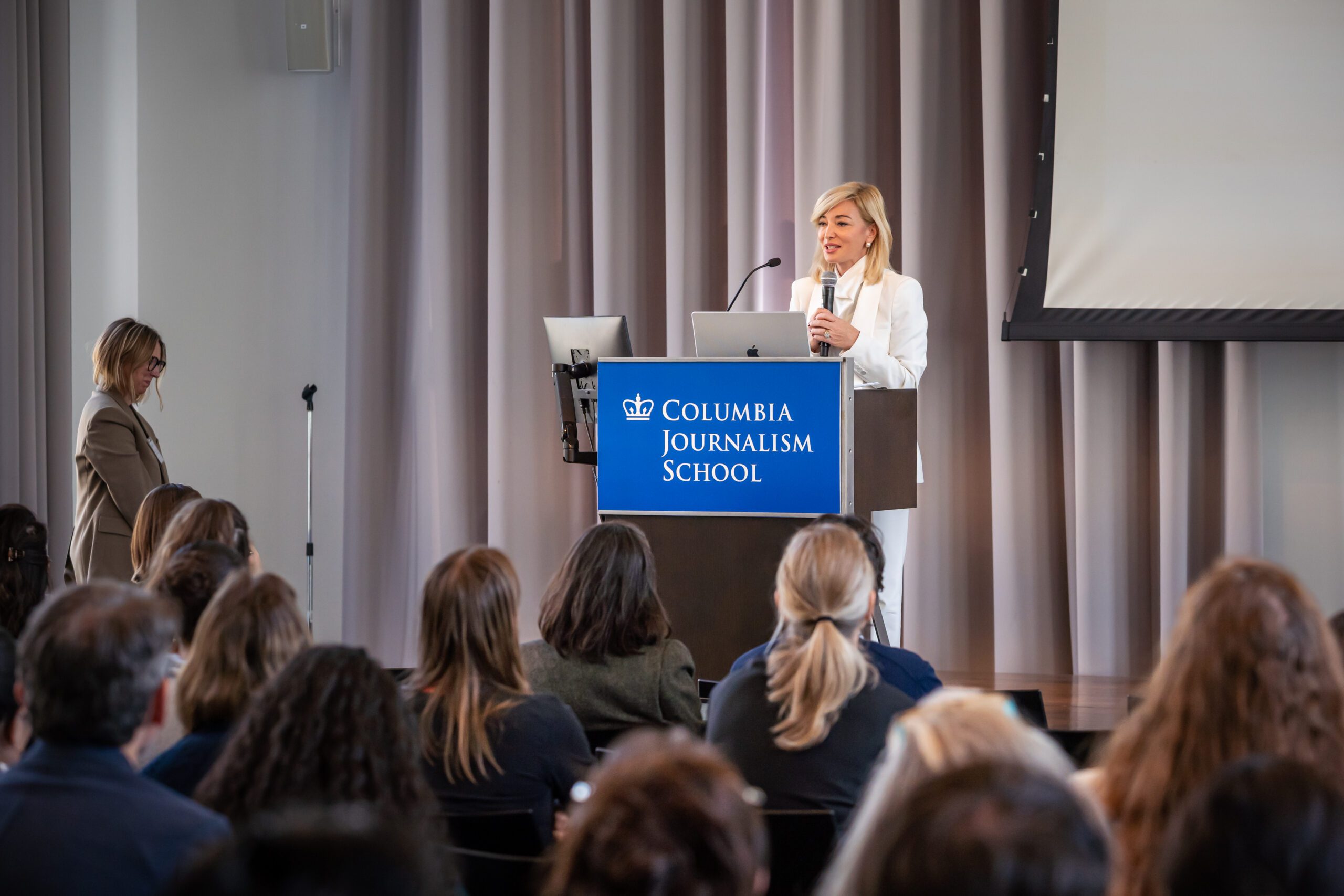
With over 100,000 attendees and 1,000 events taking place across New York City, Climate Week NYC 2026 convened industry leaders, policymakers, decision-makers, and civil society representatives from across the globe to accelerate climate action.

As key levers of the circular economy and catalysts of much-needed system change in the fashion industry, it’s easy to assume an element of built-in future-proofing for solutions such as repair, recycling, and resale.
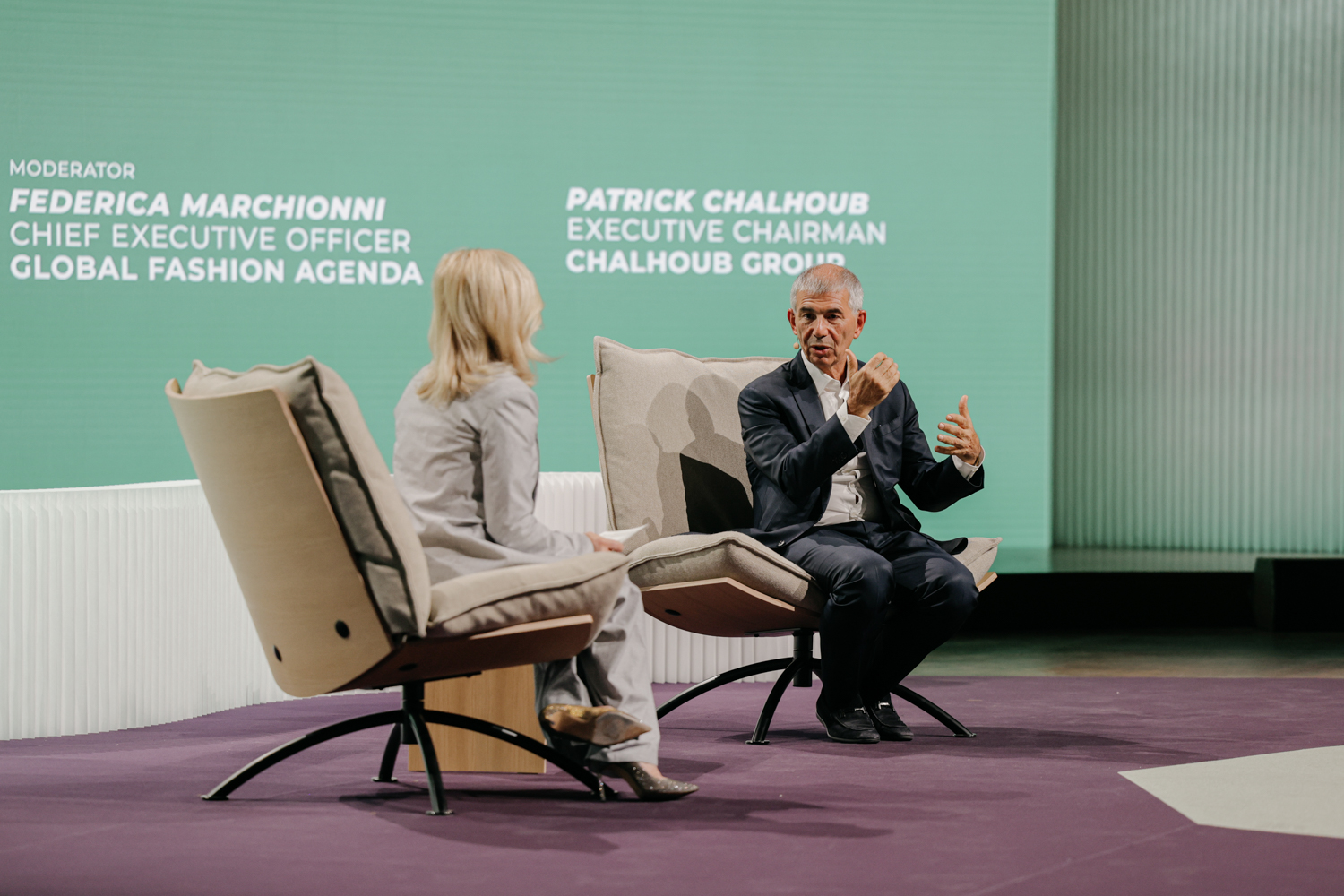
Global Fashion Agenda (GFA) and Chalhoub Group are collaborating to accelerate impact across the fashion value chain.