The Fashion Industry in Flux: Exploring Circular Solutions

By Susanne Barta, Journalist
The world has become politically more complex, more unpredictable. Certainties, values, and “modi di fare” – the ways of doing things we once took for granted – are shifting, or crumbling before our eyes. No industry remains untouched by this. Nor do we, personally.
Most of us love fashion. I certainly do. I value the creativity it brings, and the many ways it allows us to express ourselves. Yet the fashion industry has in many ways evolved in a direction that is inherently unsustainable. This has already been well established and discussed within the industry itself.
Meanwhile, the fashion industry keeps driving the global volume of clothing ever higher. Across the board, the transformation towards a more sustainable and fair industry is progressing more slowly than hoped.
But is that a reason to give up?
No. Sometimes it’s simply about choosing to look more closely, at where new paths and solutions are emerging, at projects that spark change and keep things moving.
To transition from a largely linear industry to one that operates in a truly circular way, collaboration between policymakers, companies, designers, and citizens is essential. Only together can transformation succeed. As the saying goes, “by design or by disaster.” And I think most would agree: it’s always better to design change than to be forced into reaction by catastrophe.
Working on solutions, locally and globally, and putting them into practice is what matters now. Here are some examples that show why there’s reason for optimism in the industry’s transition towards more circular systems.
The adoption of mandatory EPR schemes marks a pivotal moment for the European textile industry. This is groundbreaking: producers are to be held accountable for the environmental impact of their products – from design through to end-of-life. The aim is to reduce textile waste and promote a circular economy. Following the EU’s adoption of the Waste Framework Directive, Member States will have 30 months after the official publication of the Directive to establish EPR schemes for textiles. For an overview of global EPR, explore The GFA Mapping of Global Extended Producer Responsibility (EPR) for Textiles here.
The Circular Fashion Partnership (CFP) aims to advance circularity in the textile sector – in particular, to establish textile waste management as a standard practice and to build regional recycling infrastructures. Currently active in Bangladesh, Indonesia and Cambodia, these ambitious partnerships set three key goals: to mobilise the industry to use recycled materials, to foster knowledge-sharing, and to establish national partnerships for circular fashion in manufacturing countries. Find out more about the Circular Fashion Partnership here.
A few months ago, ThredUp released its annual report analysing developments in the global fashion and apparel resale market. The global secondhand market grew by 15% in 2024 and is expected to reach around $367 billion by 2029, growing up to 2.7 times faster than the conventional market. 9% of global apparel spending came from secondhand purchases. A record number of consumers bought pre-loved fashion, driven above all by Gen Z. These developments mark a promising shift in consumer behaviour, which is essential for meaningful circular shifts.
Recently launched by Global Fashion Agenda, the Apparel and Footwear Circularity Map showcases the key collaborative initiatives that are driving progress across every stage of the circular fashion system. Built on information-sharing and collaboration, this pioneering project helps brands and retailers identify credible opportunities for engagement. You can download the map here.
Changing the fashion industry takes perseverance, time, patience – and courage. It also takes a willingness to look closely at where progress is already being made, without turning a blind eye to the problems that need to be addressed. Circularity is a key lever in the complex sustainability puzzle and these advancements offer optimism and a blueprint for accelerated efforts.

As key levers of the circular economy and catalysts of much-needed system change in the fashion industry, it’s easy to assume an element of built-in future-proofing for solutions such as repair, recycling, and resale.
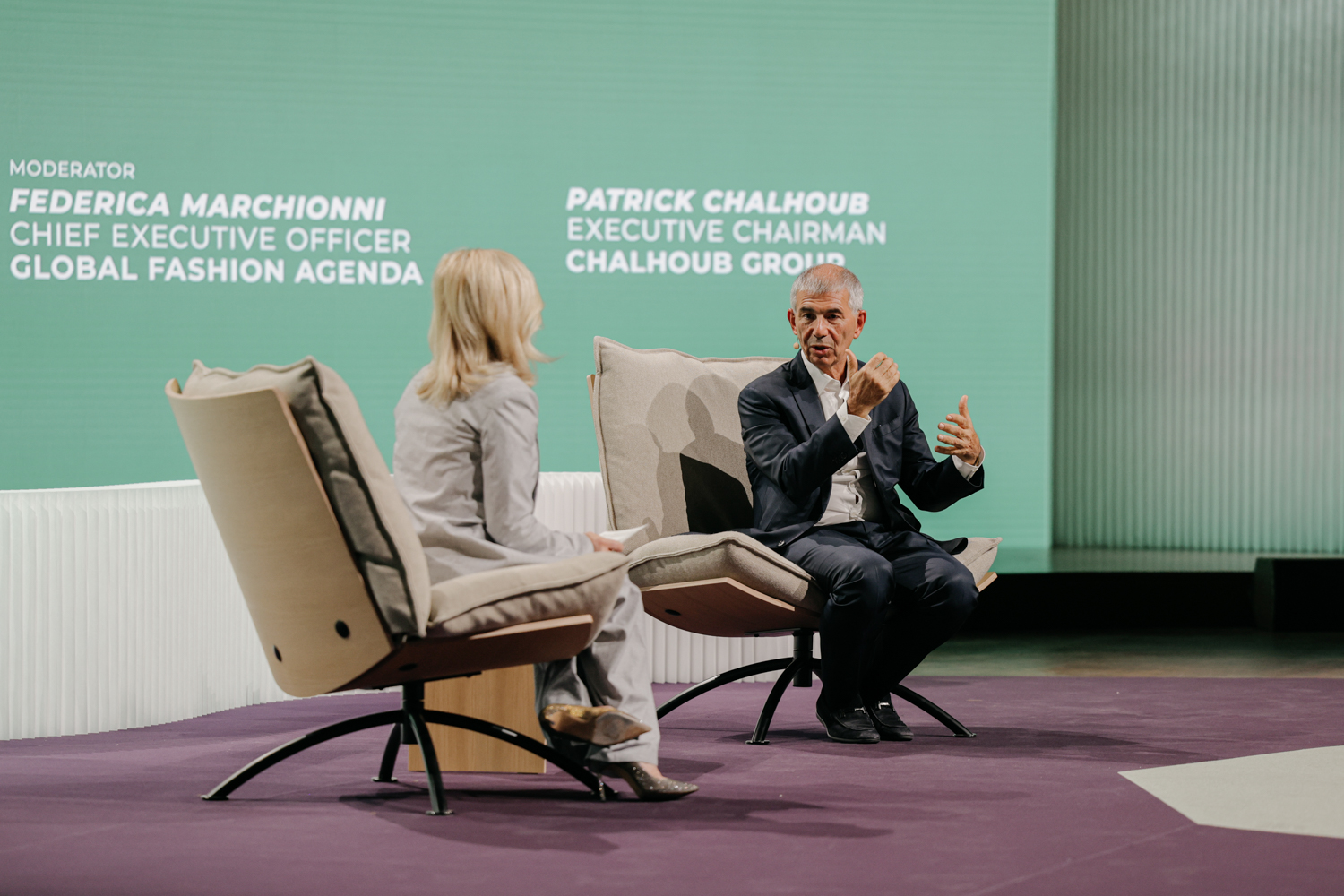
Global Fashion Agenda (GFA) and Chalhoub Group are collaborating to accelerate impact across the fashion value chain.

Fashion companies have spent years improving what happens within their own operations.