Two Years of Circular Fashion Partnership Indonesia Reflect Practical Progress and Lessons for a Circular Textiles Future
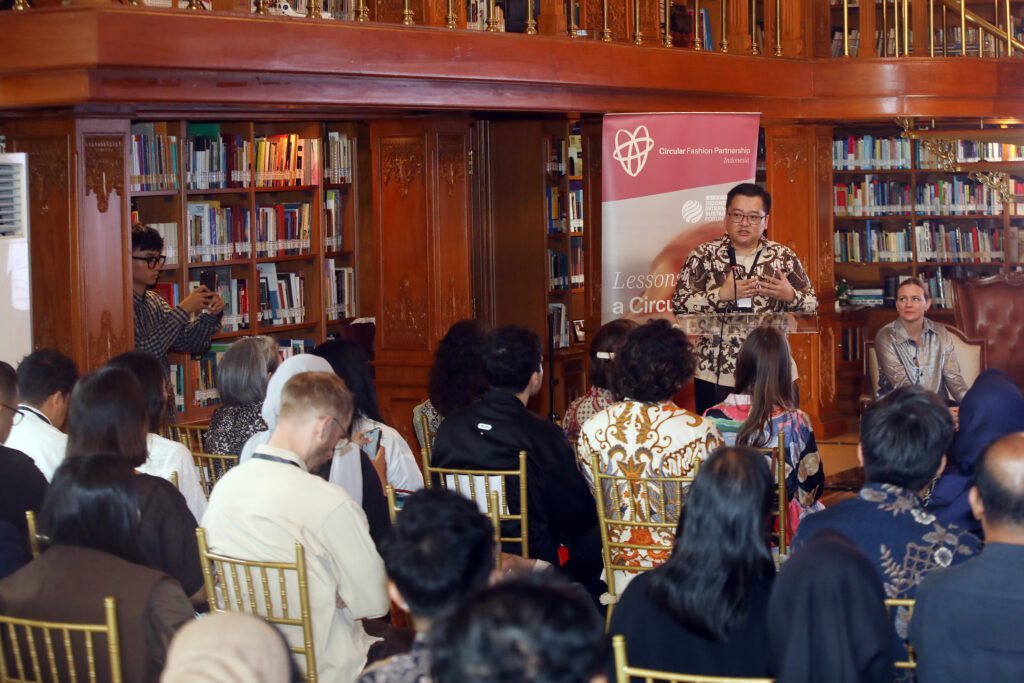
After two years of implementation across Indonesia’s textile and fashion value chain, the Circular Fashion Partnership (CFP) Indonesia brought together government, industry, brands, manufacturers, waste handlers, recyclers, academia, and other stakeholders today at Library Wisma Habibie Ainun, Jakarta, to reflect on what has been achieved, what challenges remain, and what is needed to advance the next phase of circular textiles in Indonesia.
Held under the theme Lessons for a Circular Textiles Future in Indonesia, the CFP Indonesia Final Event marked the culmination of the two-year programme initiated by Global Fashion Agenda (GFA), with Rantai Tekstil Lestari (RTL) as National Lead in Indonesia, and implemented together with Closed Loop Fashion, Reverse Resources, and Circle Economy Foundation, with support from H&M Foundation. The event was also an Official Indonesia International Sustainability Forum (ISF) 2026 Side Event under the theme Competitive Low-Carbon Industries, bringing textile circularity to a broader sustainability conversation.
The programme is part of the Global Circular Fashion Forum (GCFF), a wider initiative led by Global Fashion Agenda to advance post-industrial textile recycling through local partnerships in manufacturing regions. Each partnership is locally owned and led, customised to its regional context while drawing on best practices from other countries.
Since its launch in October 2024, CFP Indonesia has engaged seven brands and assessed 29 facilities, enabled more than 4,300 tonnes of post-industrial textile waste to become digitally traceable, and mapped more than 30 recyclers and 90 waste handlers and sorters. Alongside these activities, the programme has worked to improve textile waste management practices, strengthen connections between waste generators and recyclers, build industry capacity, and support evidence-based policy engagement.
Manufacturers, waste handlers and recyclers shared lessons from improving textile waste management, tracking and matchmaking, alongside emerging pathways for footwear recycling and the skills needed to support circularity across the sector.Their experiences underlined that progress at individual facilities depends on stronger connections between material supply and demand, reliable traceability, recycling capacity, and an enabling policy environment.
The afternoon Policy Dialogue, From National Roadmap to Policy Implementation, explored how Indonesia’s circular economy ambitions are being translated into sector-specific action. The discussion brought together perspectives on national coordination for circular economy implementation, the development of Extended Producer Responsibility (EPR) for textiles, and regulatory coordination for textile recycling involving bonded zones.
Nizhar Marizi, Director of Environment, Ministry of National Development Planning/Bappenas, said: “Indonesia has established the direction for a circular economy through the national roadmap and action plan. The next step is ensuring stronger alignment across ministries and government agencies so that this direction can be translated into implementation. The Circular Economy Steering Group will strengthen this coordination, while the sectoral Working Groups can address the specific implementation needs of each priority sector, including textiles.”
Vinda Damayanti Ansjar, Deputy for Solid Waste, Hazardous Waste, and Hazardous Substances Management, Ministry of Environment, said: “In developing EPR for textiles, we need to be clear about what falls within its scope. Production residuals are already managed through the industrial waste framework, while EPR is intended for products after consumption. For textiles, this means looking particularly at post-consumer products such as used clothing and household textiles, and how they can be collected and managed within a circular system.”
Looking beyond the programme, RTL introduced the proposed development of a Multi-Stakeholder Platform (MSP) for sustainable and circular textiles in Indonesia, built around three initial priority functions: KNOW, to strengthen access to knowledge and capacity building; FIND, to improve visibility of actors, materials, and solutions; and CONNECT, to facilitate partnerships and matchmaking,
The session was designed to test the concept with stakeholders rather than launch a finished platform.
Basrie Kamba, Chairman, Rantai Tekstil Lestari, said: “Today marks the conclusion of CFP Indonesia as a programme, but I hope it does not mark the end of the collaboration that has been built through it. Many of these challenges cannot be addressed by one organization or one part of the value chain alone. We hope the Multi-Stakeholder Platform can provide a practical space to stay connected, identify shared priorities, and work together where collective action is needed.”
Federica Marchionni, CEO, Global Fashion Agenda, said: “Global Fashion Agenda’s role is to enable action also by providing a platform where the entire value chain can come together and accelerate impact. Over two years, the Circular Fashion Partnership Indonesia has catalysed the connections, capacity, and trust that circular textiles depend on. We are proud that this work will now be carried forward by Indonesian stakeholders, and we look forward to seeing it scale.”
The discussion reflected a broader lesson from the programme: building a circular textile system will require more than individual technologies or projects. It will depend on continued coordination across the value chain, stronger enabling conditions, and mechanisms that allow different stakeholders to find one another, exchange knowledge, and develop solutions together.
Learn more about the Global Circular Fashion Forum and the Circular Fashion Partnership: Indonesia here.
As we closely monitor fashion’s global legislative evolution, we zoom into GFA’s Policy Matrix: the new Asia Edition, Americas and EU editions, offering clarity and updates on emerging and existing legislation.
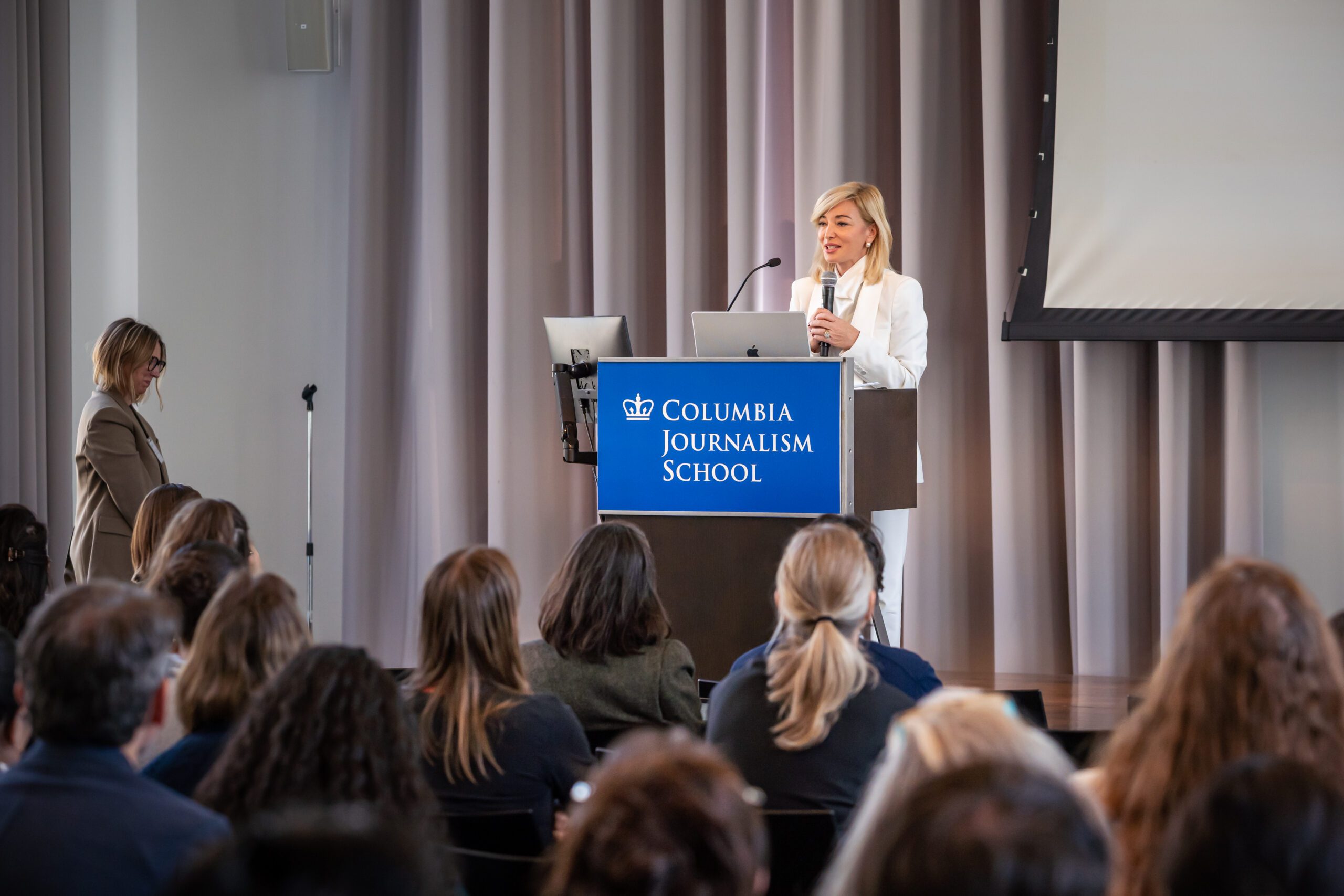
With over 100,000 attendees and 1,000 events taking place across New York City, Climate Week NYC 2026 convened industry leaders, policymakers, decision-makers, and civil society representatives from across the globe to accelerate climate action.

As key levers of the circular economy and catalysts of much-needed system change in the fashion industry, it’s easy to assume an element of built-in future-proofing for solutions such as repair, recycling, and resale.