Managing Post Industrial Textile Waste in Indonesia Event
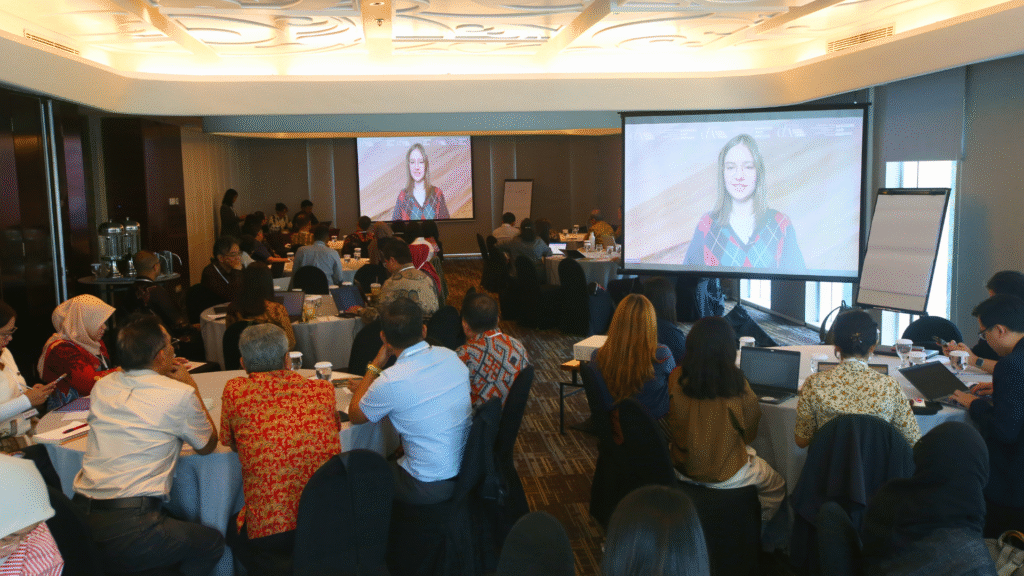
On 29 April, various stakeholders from across Indonesia’s textile and fashion industry gathered for the Focus Group Discussion (FGD) event “Managing Post-Industrial Textile Waste in Indonesia” held at JS Luwansa Hotel, Jakarta. The event served as a follow-up to the Circular Fashion Partnership (CFP) Indonesia Launch Event that took place in Jakarta in October 2024. The CFP Indonesia is a two-year-program that aims to create a more sustainable and circular textile system in the country. The programme is led by Global Fashion Agenda (GFA) and supported by H&M Foundation, with Rantai Tekstil Lestari (RTL) as the national lead, and Closed Loop Fashion, Reverse Resources, and Circle Economy as implementation partners.
Organised by RTL, the FGD brought together government representatives, manufacturers, brands, recyclers, and academics to strengthen collaboration and explore practical solutions for textile waste management in Indonesia.
Opening remarks were delivered by Mr. Basrie Kamba, Chairman of RTL, who said:
“Indonesia needs to be part of the front players in the global circular textile value chain, as we have big potential for it”.
This was followed by Mr. Satrio Pratama, Secretary General of RTL to re-introduce the CFP Indonesia program. There was also a pre-recorded message from Francesca Girelli, Impact Programme Operations Coordinator for CFP Indonesia at Global Fashion Agenda (GFA), a key international partner.Government representative from the Ministry of Industry, Mr. Apit Pria Nugraha, Head of Center for Green Industry, also conveyed their support for circularity in Indonesia’s textile sector and its alignment with the government’s visions:
“One of the main mandates for Green Industry Center from the Minister of Industry is to decrease emissions from industrial sectors, where having a circular economy is one of the ways that we can realize it. We are currently in the process of formulating related regulations, with of course considerations on how it doesn’t burden the industry.”
The topics covered several fundamental issues on textile waste recycling, such as the profiling and management of post-industrial textile waste in Indonesia, current regulatory frameworks, and the government’s plan on upcoming policies to enable recycling, financing, and certification standards.
This FGD marks an important step in mapping Indonesia’s readiness to transition towards a circular economy in the textile and textile product sector. It also serves as a platform to encourage cross-sector collaboration, investment in recycling infrastructure, and policy innovation to strengthen Indonesia’s position as a global player in sustainable fashion manufacturing.
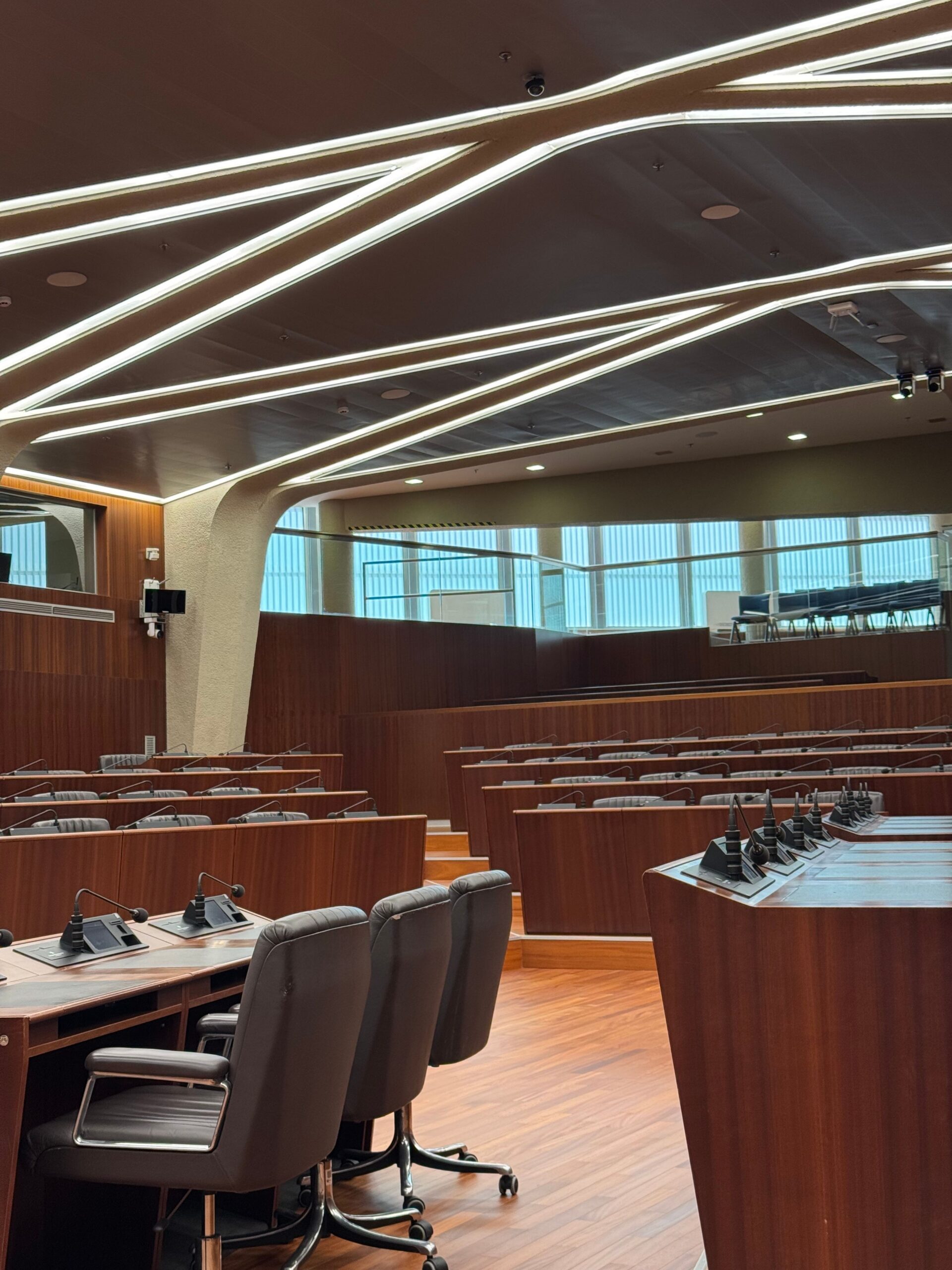
The new alliance strives to harmonise and evolve policy agendas, linking ambition with practical implementation across the textile value chain.
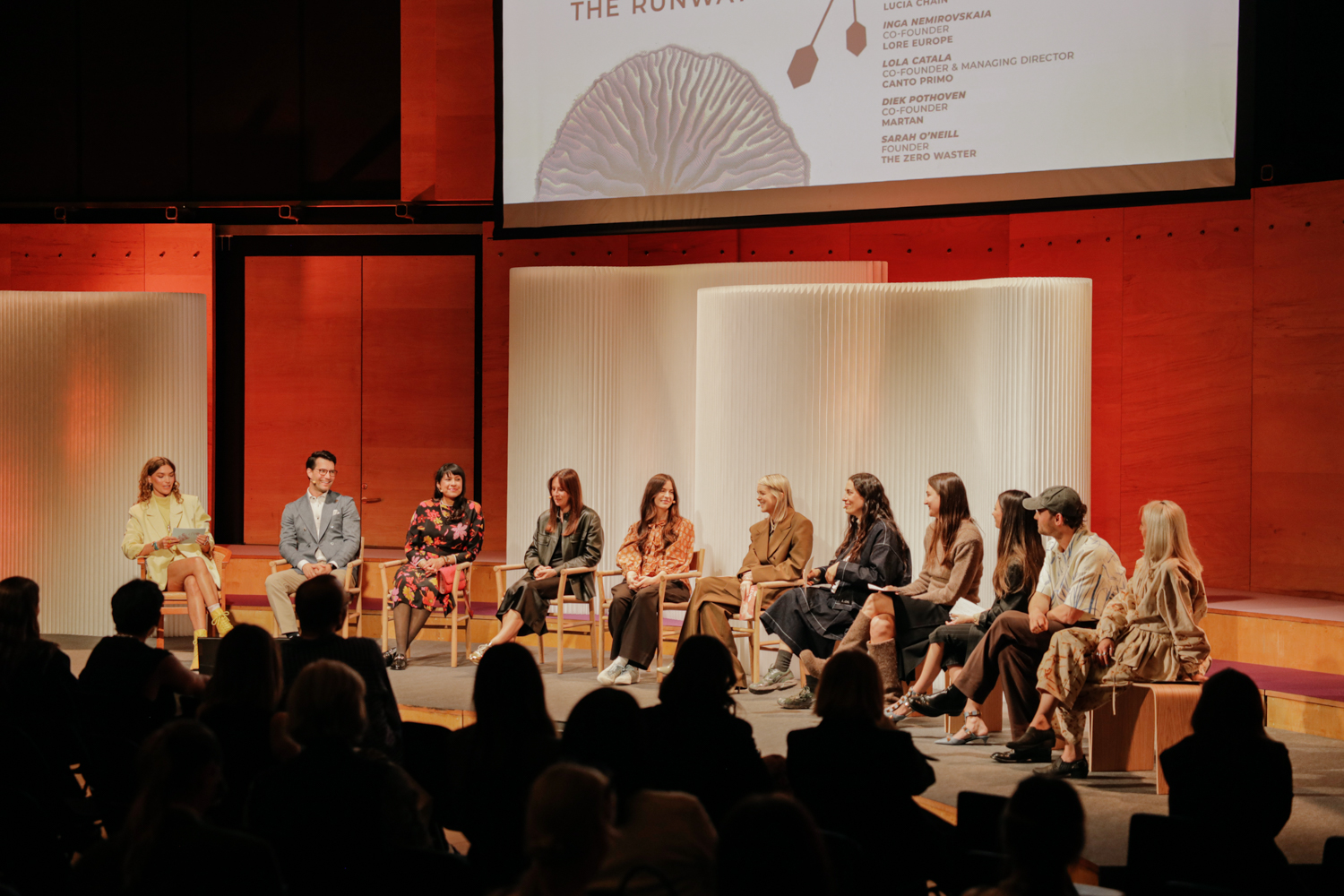
Getting a circular idea off the ground is one challenge; scaling it into a business that lasts is another. That was the focus of Beyond Recycle the Runway: Building and Scaling Circular Fashion Ventures, an online Masterclass hosted by GFA and Visa.
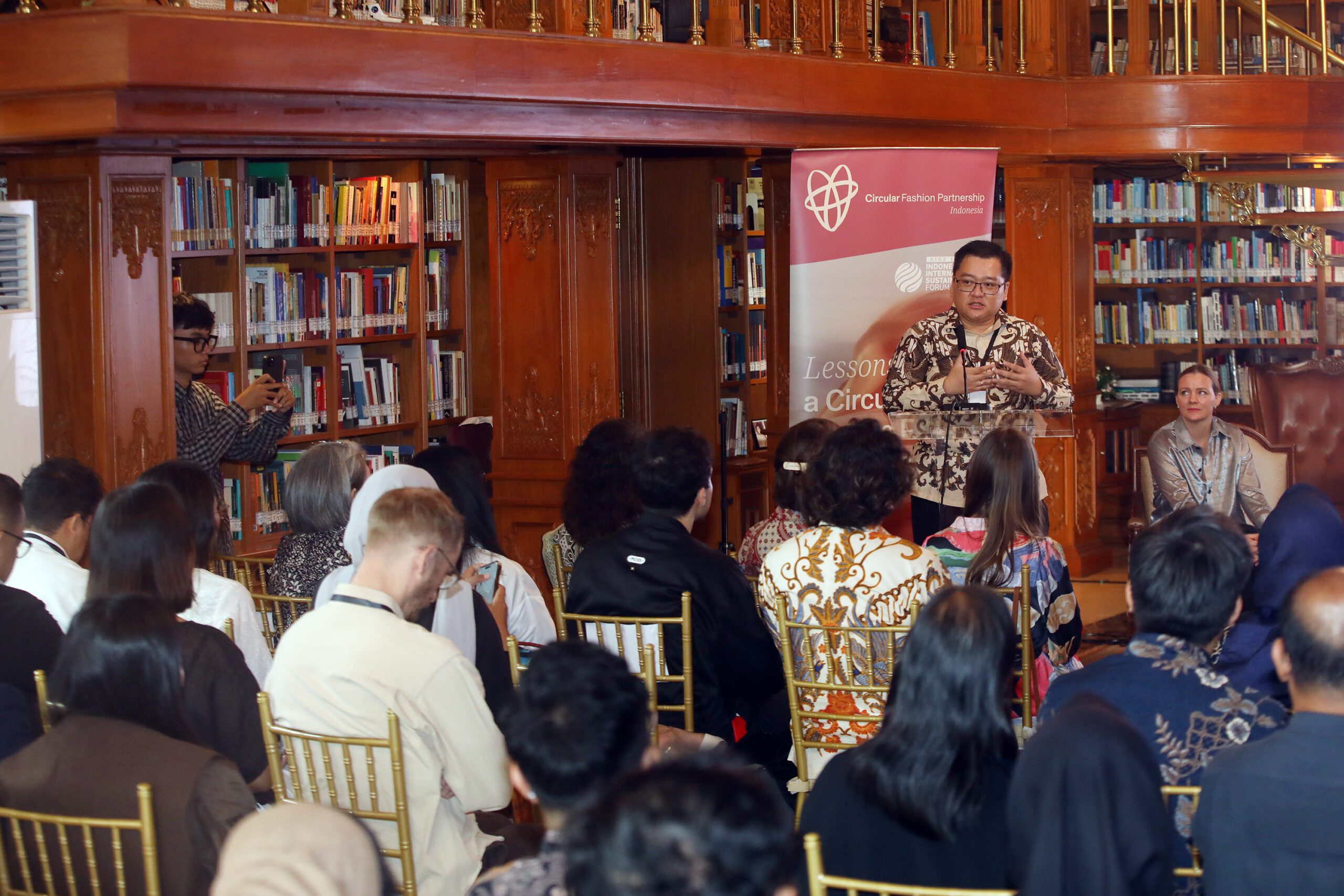
After two years of implementation across Indonesia’s textile and fashion value chain, the Circular Fashion Partnership (CFP) Indonesia brought together stakeholders to reflect on the next phase of circular textiles in Indonesia.
